







 Back
BackNews
Managing Hip Joint Infection in Revision Arthroplasty
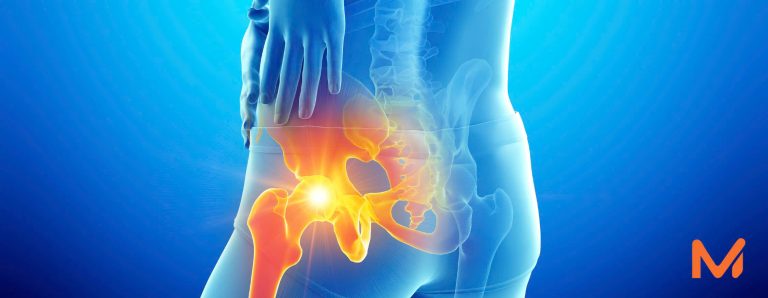
With an aging population and a rising incidence of trauma, hip disorders such as advanced hip osteoarthritis, femoral head osteonecrosis, femoral neck fractures, and complications following total hip arthroplasty are becoming increasingly common. These conditions significantly impair mobility, cause persistent pain, and markedly reduce patients’ quality of life.
Total hip arthroplasty is widely regarded as an effective treatment option, helping to relieve pain, restore joint function, and improve independent daily activities. However, not all patients are suitable for immediate hip replacement, particularly when infection is present within or around the hip joint.

Current Treatment Challenges
Hip joint infection, whether primary or following total hip arthroplasty, remains a major clinical challenge. When infection is not adequately controlled, immediate implantation of a definitive hip prosthesis carries a high risk of surgical failure, prosthetic loosening, recurrent infection, and the need for multiple revision surgeries.
In many hospitals, during the interim stage of two-stage hip revision surgery, antibiotic-loaded cement spacers are still commonly created manually without the use of dedicated molding systems. Hand-shaped cement spacers may result in:
- Inconsistent spacer shape and size
- Poor mechanical stability
- Difficulty in controlling limb length and joint space
- Increased risk of pain, spacer dislocation, or limited mobility during the interim period
These limitations directly affect infection control and compromise preparation for definitive hip arthroplasty in the second stage.
Clinical Need: Standardization of Hip Spacers in Two-Stage Revision Surgery
Clinical practice highlights a clear need for standardized solutions to create temporary hip spacers using antibiotic-loaded bone cement. An effective molding system should:
- Produce spacers with consistent shape and anatomy
- Improve mechanical stability during the interim phase
- Support effective local antibiotic delivery
- Reduce operative time
- Optimize conditions for definitive second-stage hip arthroplasty
This standardization plays a critical role in improving infection management and long-term surgical outcomes.
Novamed Global Solution: Novamed HipSpacerForm™ System
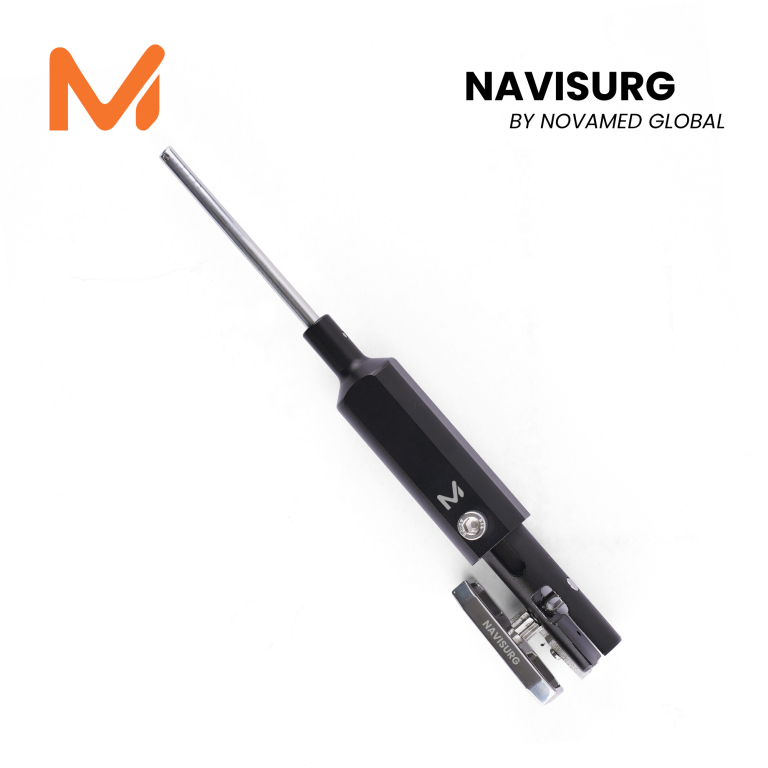
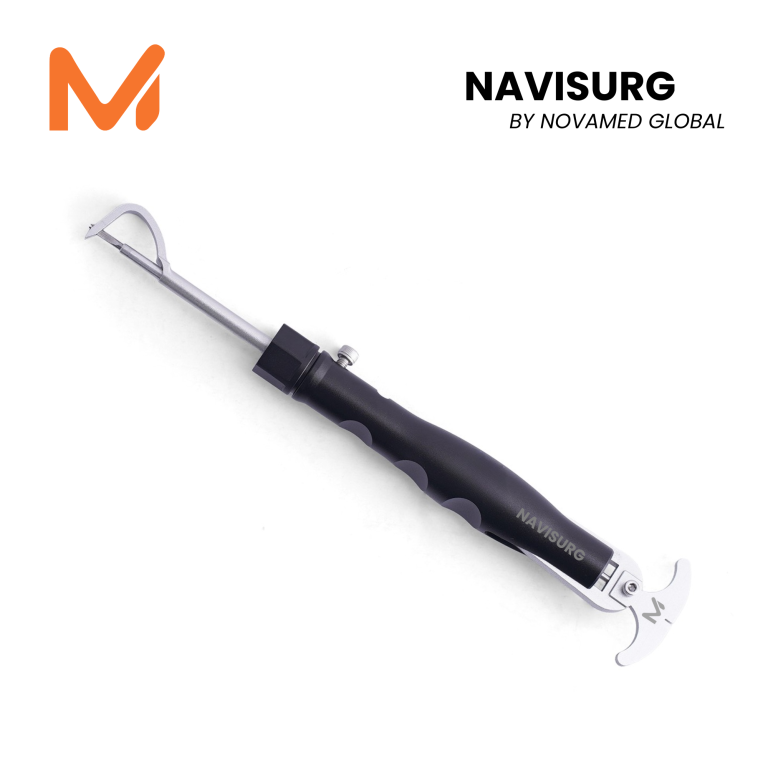
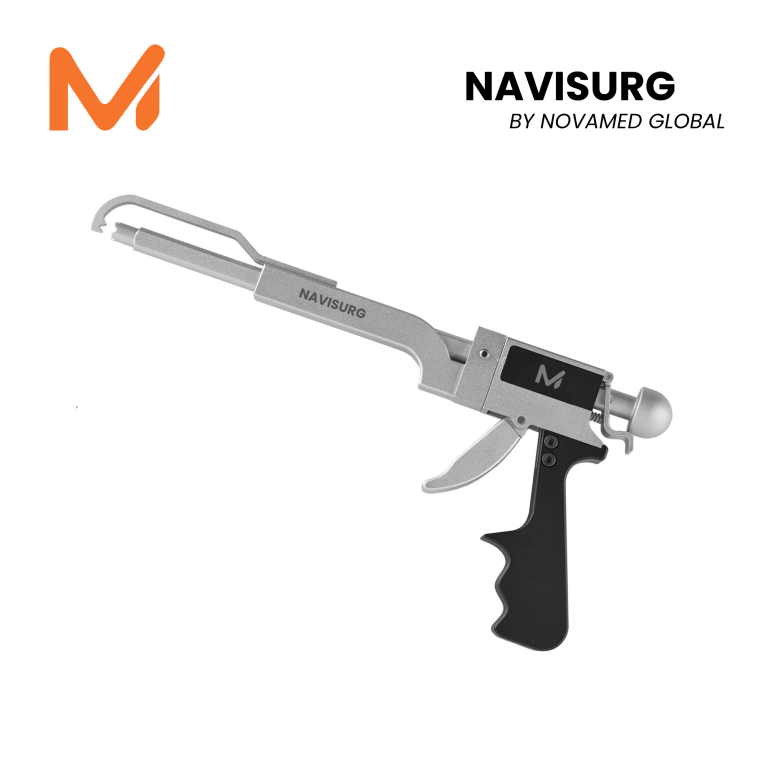
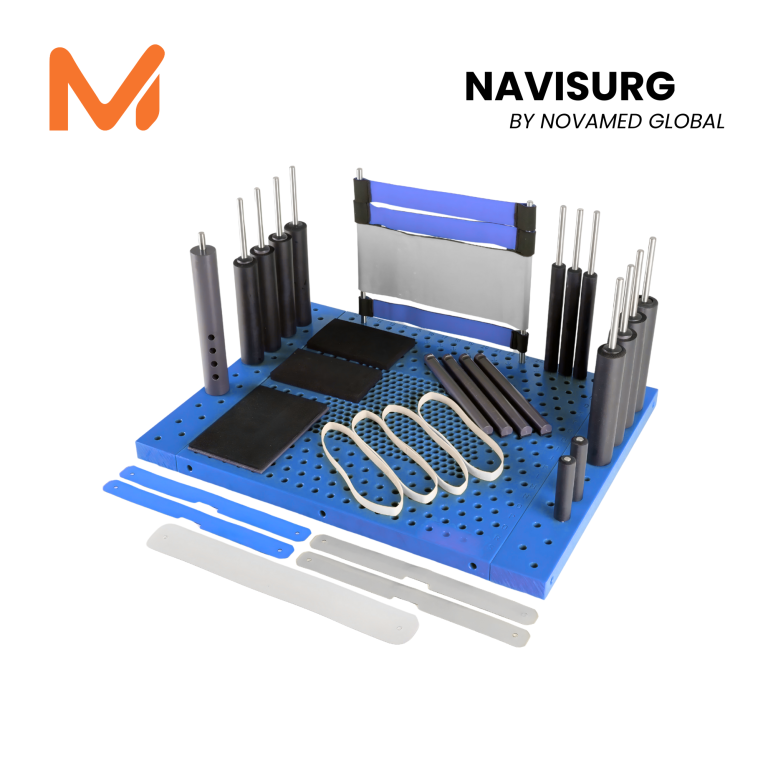
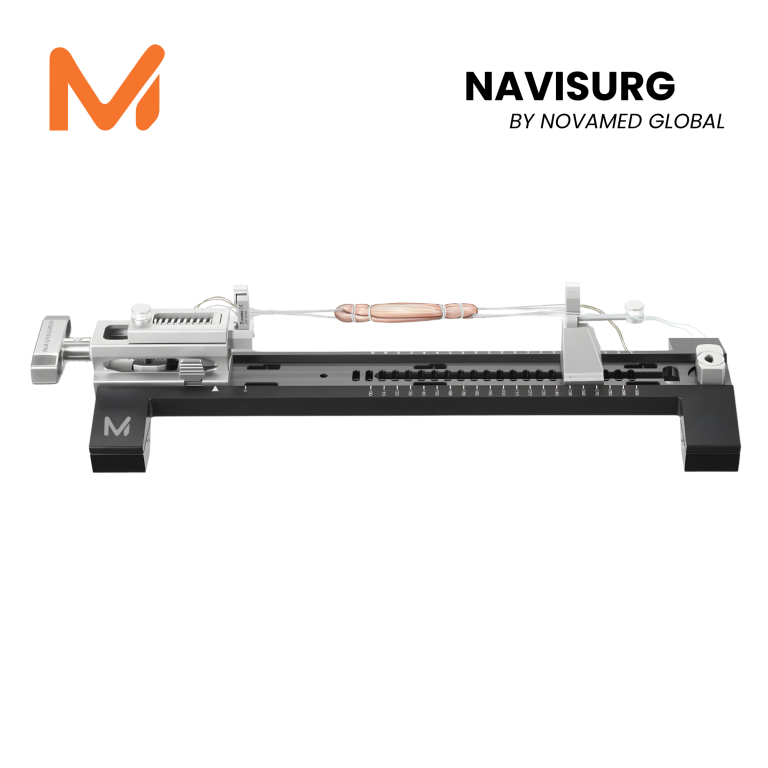
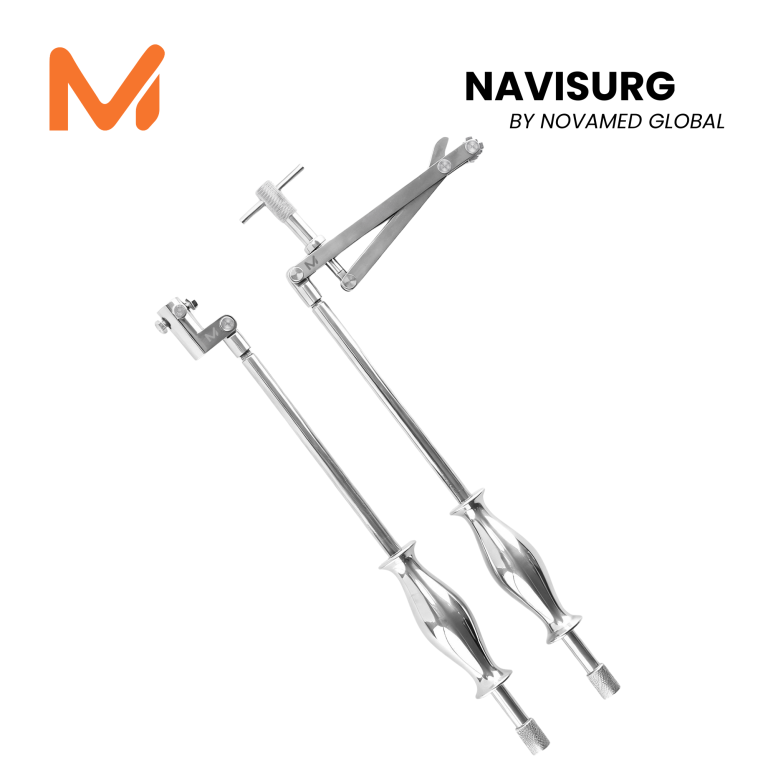
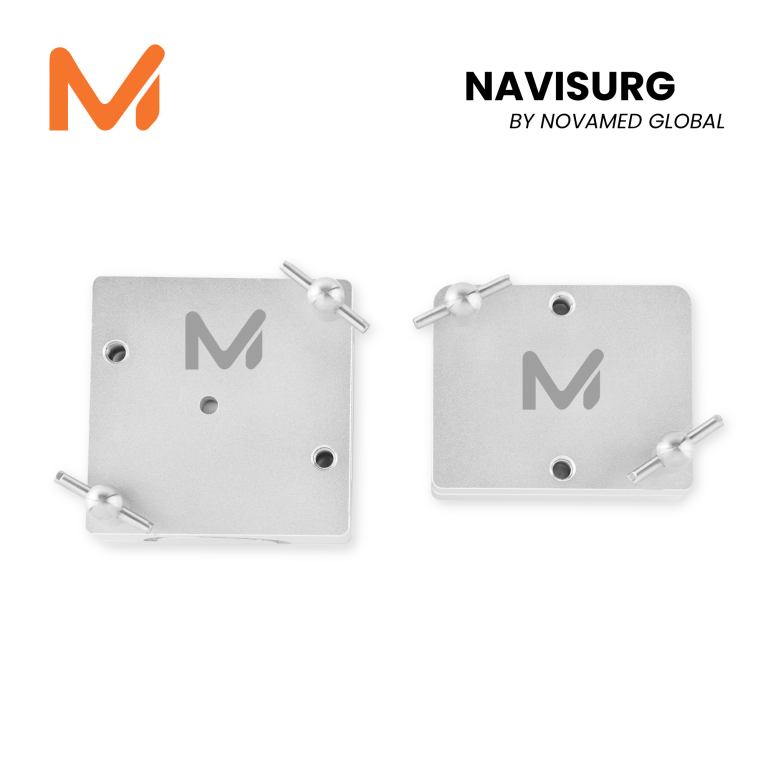
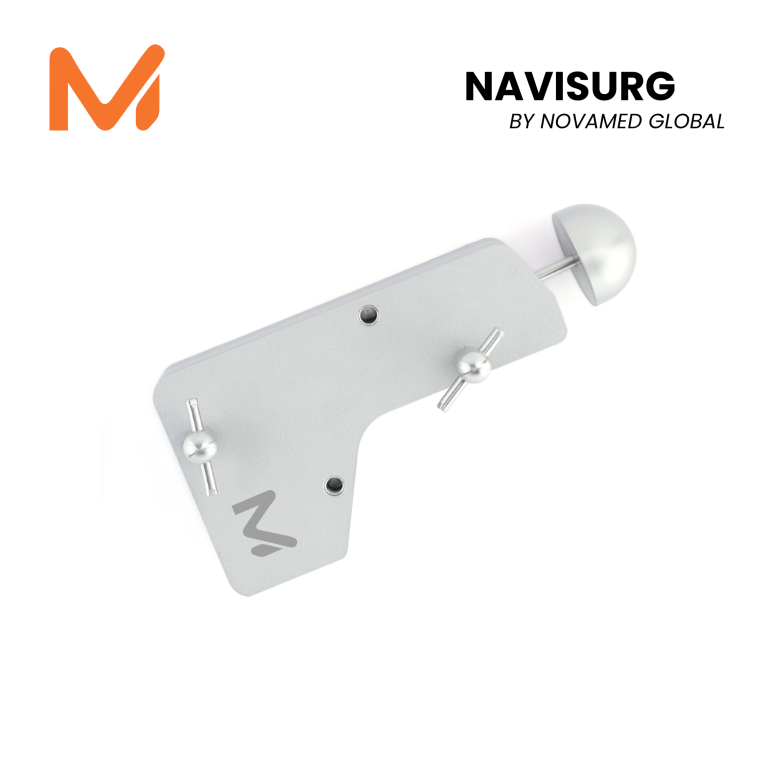
In response to these clinical needs, Novamed Global has developed the Novamed HipSpacerForm™ System to assist surgeons in forming temporary hip spacers using antibiotic-loaded bone cement.
The system is designed to standardize spacer fabrication, enhance accuracy and stability, and align with real-world clinical workflows in hospitals.
What Is the Novamed HipSpacerForm™ System
The Novamed HipSpacerForm™ System is a surgical instrument, typically manufactured from medical-grade biomaterials, used to form temporary hip spacers made of antibiotic-loaded bone cement during two-stage hip revision procedures.
Compared with manual shaping, the system allows the spacer to more closely match hip joint anatomy while ensuring consistency and mechanical reliability.
Role of the Cement Mold in Two-Stage Hip Revision Surgery
Stage One
- Removal of the infected hip prosthesis
- Thorough debridement and joint cleansing
- Mixing bone cement with appropriate antibiotics
- Formation of a temporary hip spacer using the Novamed HipSpacerForm™ System
- Implantation of the spacer
Interim Treatment Phase
- Combined systemic and local antibiotic therapy
- Clinical and laboratory monitoring
- Limited controlled mobilization to prevent complications related to immobilization
Stage Two
- Once the infection is fully eradicated
- Definitive total hip arthroplasty is performed
Key Advantages of the Novamed HipSpacerForm™ System
The Novamed HipSpacerForm™ System is specifically designed for managing complex hip joint infections and offers several notable advantages:
- Anatomically oriented design that produces consistent and stable spacer geometry
- High durability through the use of premium medical-grade metal materials
- A precise cement forming process that minimizes the variability associated with manual shaping
- Reduced operative time with efficient and user-friendly intraoperative handling
- Improved temporary joint stability, helping to reduce pain and allow safe, limited mobility
Compared with hand-molded spacers, the Novamed HipSpacerForm™ System allows surgeons greater control over spacer geometry, contributing to improved infection management and better preparation for second-stage hip replacement.
Effective infection control achieved during this phase creates a solid foundation for a successful definitive hip arthroplasty with durable long term outcomes.
Conclusion
In the management of hip joint infections, particularly in cases requiring two stage hip arthroplasty, antibiotic loaded cement spacers play a pivotal role. The use of the Novamed HipSpacerForm™ System not only standardizes spacer creation but also enhances infection control and improves long term surgical outcomes.
Developed based on clinical practice needs, the Novamed HipSpacerForm™ System provides an effective solution for surgeons managing complex hip infections while optimizing conditions for successful definitive total hip arthroplasty.