






 Back
BackApplications, News, Education
INTRA-ARTICULAR HYALURONIC ACID INJECTION (VISCOSUPPLEMENTATION): EFFICACY, MECHANISM OF ACTION, AND ROLE IN OSTEOARTHRITIS MANAGEMENT
Intra-articular Hyaluronic Acid Injection (Viscosupplementation): Efficacy, Mechanism of Action, and Role in Osteoarthritis Management
Tiêm Hyaluronic Acid Trong Khớp (Viscosupplementation): Hiệu Quả, Cơ Chế Tác Dụng Và Vai Trò Trong Điều Trị Thoái Hóa Khớp
English Version | Bản tiếng Việt bên dưới.


Osteoarthritis – A Global Healthcare Challenge
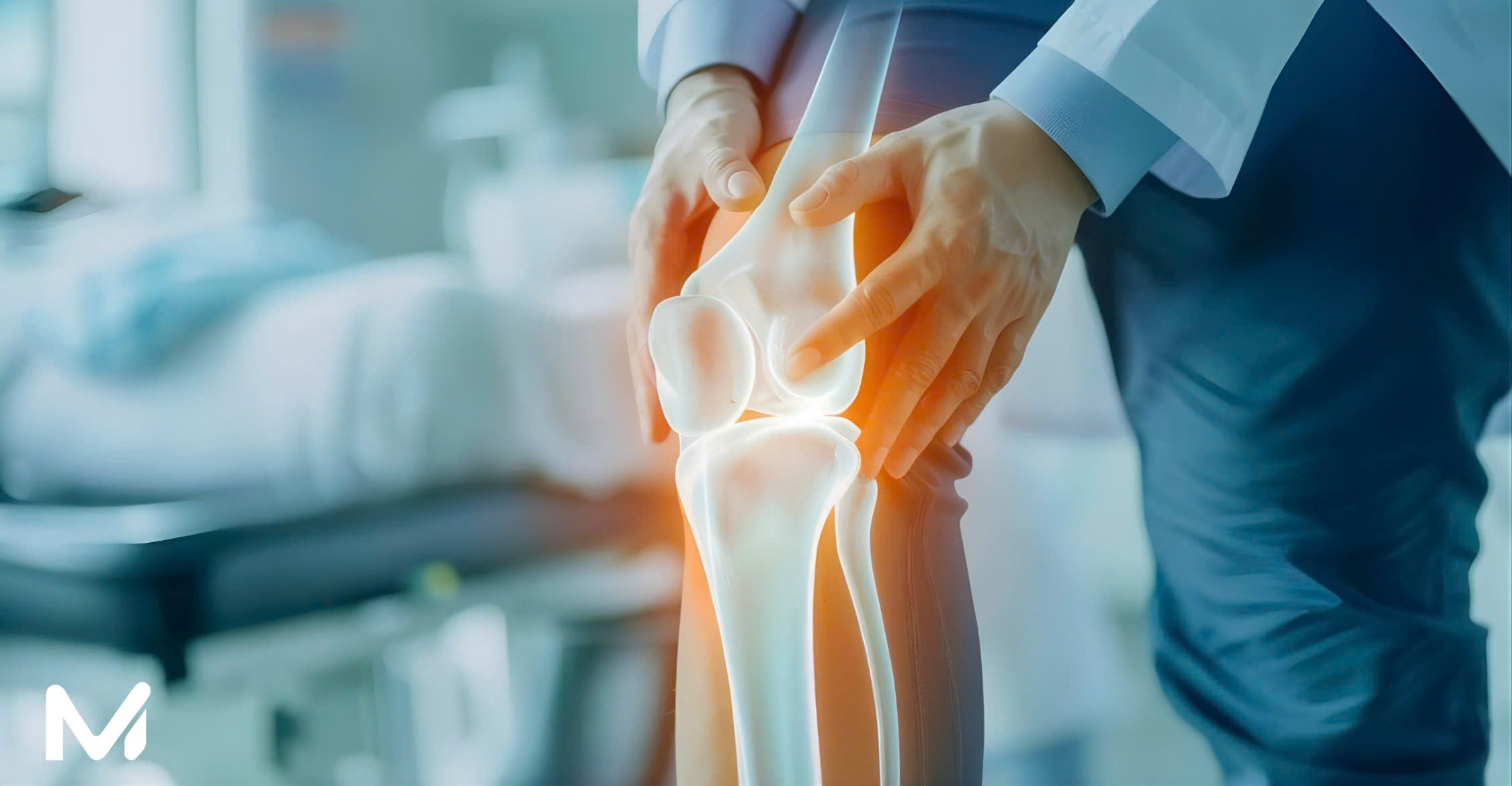
Osteoarthritis (OA) is a chronic degenerative joint disease characterized by progressive damage to articular cartilage and subchondral bone. It is the most common rheumatic disease affecting both sexes and predominantly the elderly, but it also occurs in younger individuals with significant loss of working days.
The most important symptom is pain, accompanied by usually short-lasting morning stiffness, which worsens with activity and improves with rest. Joint damage leads to progressive functional limitation.
In Vietnam, knee osteoarthritis is one of the leading causes of chronic pain and disability in middle-aged and elderly populations. It is particularly common in individuals with overweight, do heavy physical labor, or have a history of joint injury.
What Is Hyaluronic Acid? Its Natural Role in the Joint
Hyaluronic acid (HA), also known as hyaluronan, is a naturally occurring glycosaminoglycan present in normal synovial fluid. It is a key component responsible for the viscoelastic properties of synovial fluid, helping to:
- Lubricate articular cartilage surfaces during movement
- Absorb mechanical loads as a biological shock absorber
- Maintain a nourishing environment for chondrocytes
In patients with osteoarthritis, the concentration of HA in synovial fluid is significantly reduced, and its molecular weight is also lower than normal. This results in the loss of protective viscoelastic properties of the cartilage.
Mechanism of Action – More Than Simple “Lubrication”
Many people assume that HA injection simply “lubricates the joint.” In reality, its biological mechanisms are far more complex and comprehensive:
- Chondroprotection
Chondroprotection is the most frequently reported mechanism in studies on HA, followed by proteoglycan and glycosaminoglycan synthesis, anti-inflammatory effects, mechanical effects, subchondral effects, and analgesic effects. The binding of HA to CD44 receptors is the most commonly reported biological mechanism.
Exogenous HA can stimulate HA synthesis by chondrocytes, inhibit cartilage degradation, and promote cartilage regeneration.
- Anti-inflammatory Effects – Molecular Targets
HA can reduce the production of pro-inflammatory mediators and matrix metalloproteinases (MMPs) involved in the pathogenesis of osteoarthritis.
A 2024 study confirmed that HA modulates inflammatory mediators in chondrocyte–macrophage co-culture via MAPK and NF-κB signaling pathways.
- Restoration of Viscoelasticity
Intra-articular administration of exogenous HA directly restores the mechanical properties of synovial fluid, improving lubrication and reducing friction, which is particularly important in the early stages of osteoarthritis.
- Pain Reduction via Neural Mechanisms
HA acts on pain modulation pathways, protects cartilage, regulates inflammatory cytokines, reduces oxidative stress, and modulates pain perception.
Clinical Efficacy – Evidence Overview
- Pain Reduction and Functional Improvement
Intra-articular HA demonstrates moderate efficacy in pain reduction and functional improvement, particularly in early to moderate osteoarthritis.
A meta-analysis of 38 studies involving 5,025 patients: the mean patient age was 60.28 years, and the severity of knee osteoarthritis ranged from grade 1 to 3. HA was used as the intervention in 50% of studies and as the comparator in the remaining 50%.
- Delay of Surgical Intervention
This is one of the most important benefits in terms of health economics and quality of life:
This mini-review highlights evidence that hyaluronic acid reduces symptoms and structural damage in osteoarthritis, as well as its ability to delay joint replacement surgery. Viscosupplementation should be considered as a long-term therapeutic option.
- Multi-joint Application
Intra-articular viscosupplementation with HA is a treatment option for knee osteoarthritis included in clinical guidelines for joint disease management, but it may be applied to all synovial joints to reduce pain and improve joint lubrication.
Classification of HA Products – What Clinicians Need to Know
- According to Molecular Weight

Viscosupplementation with intra-articular HA is a key treatment option for osteoarthritis; however, this field is hindered by clinical controversy and outdated classification of existing products. This comprehensive review analyzes the current landscape, shifting from a mechanical model to a biological model in the mechanism of action of HA.
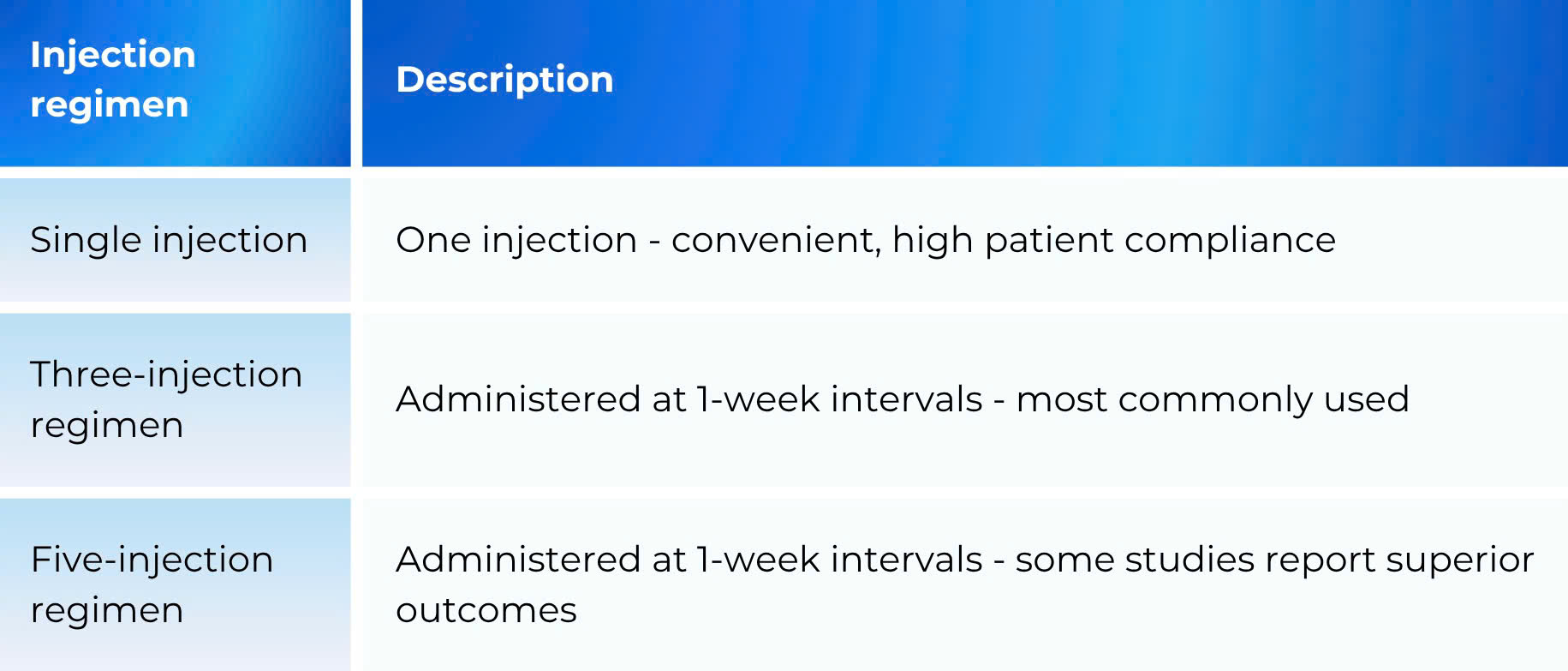
- According to the Injection Regimen
Position in the Osteoarthritis Treatment Algorithm

In the comprehensive management of patients with osteoarthritis, it is important to implement a treatment strategy that includes physical therapy and rehabilitation.
Combination of HA with Other Therapies – Trends 2024-2025
Recent studies have explored combining HA with biological or pharmacological agents such as PRP, corticosteroids, fibrinogen, botulinum toxin A, polydeoxyribonucleotide (PDRN), and stem cells to enhance efficacy through multimodal mechanisms.
HA + PRP is currently the most extensively studied combination, integrating:
- The viscoelastic scaffold of HA
- Platelet-derived growth factors from PRP
Indications and Contraindications

Novamed Global – Viscosupplementation Solutions for Healthcare Facilities
Novamed Global provides healthcare facilities in Vietnam with:
- Intra-articular HA products meeting CE/FDA standards = with a range of molecular weights and injection regimens
- Consultation on product selection tailored to each stage of osteoarthritis
- Technical support for ultrasound-guided intra-articular injections
- Comprehensive solutions from diagnosis to treatment for orthopedic clinics
For physicians and hospitals: Contact Novamed Global for consultation on HA product portfolios and the latest osteoarthritis treatment protocols.
Thoái Hóa Khớp – Thách Thức Y Tế Toàn Cầu
Thoái hóa khớp (OA) là bệnh khớp thoái hóa mạn tính đặc trưng bởi tổn thương tiến triển của sụn khớp và xương dưới sụn. Đây là bệnh thấp khớp phổ biến ảnh hưởng đến cả hai giới và phần lớn người cao tuổi, nhưng cũng gặp ở người trẻ tuổi với hệ quả mất ngày làm việc đáng kể.
Triệu chứng quan trọng nhất là đau, kèm cứng khớp buổi sáng thường ngắn, tăng khi vận động và giảm khi nghỉ ngơi. Tổn thương khớp gây ra hạn chế chức năng tiến triển.
Tại Việt Nam, thoái hóa khớp gối là một trong những nguyên nhân hàng đầu gây đau mạn tính và tàn tật ở người trung niên và cao tuổi. Đặc biệt phổ biến ở những người có thừa cân, lao động nặng hoặc tiền sử chấn thương khớp.
Hyaluronic Acid Là Gì? Vai Trò Tự Nhiên Trong Khớp
Hyaluronic acid (HA) hay còn gọi là hyaluronan, là một glycosaminoglycan tự nhiên có trong dịch khớp bình thường. Đây là thành phần cốt lõi tạo nên tính nhớt đàn hồi (viscoelasticity) của dịch khớp, giúp:
- Bôi trơn bề mặt sụn khớp khi vận động
- Hấp thụ lực tác động như một bộ đệm sinh học
- Duy trì môi trường nuôi dưỡng chondrocyte
Ở bệnh nhân thoái hóa khớp, nồng độ HA trong dịch khớp giảm đáng kể và phân tử lượng HA cũng thấp hơn bình thường. Điều này làm mất đi tính nhớt đàn hồi bảo vệ sụn.
Cơ Chế Tác Dụng – Không Chỉ Đơn Giản Là “Bôi Trơn”
Nhiều người nghĩ tiêm HA chỉ đơn giản như “bôi trơn khớp”. Thực tế, cơ chế sinh học phức tạp và toàn diện hơn rất nhiều:
-
Bảo Vệ Sụn Khớp (Chondroprotection)
Bảo vệ sụn khớp là cơ chế được báo cáo thường xuyên nhất trong các nghiên cứu về HA, tiếp theo là tổng hợp proteoglycan và glycosaminoglycan, tác dụng kháng viêm, tác dụng cơ học, tác dụng dưới sụn và tác dụng giảm đau. Gắn kết HA với thụ thể CD44 là nguyên nhân sinh học được báo cáo thường xuyên nhất.
HA ngoại sinh có thể kích thích tổng hợp HA của chondrocyte, ngăn chặn sự thoái hóa sụn và thúc đẩy tái tạo sụn.
-
Kháng Viêm – Mục Tiêu Phân Tử
HA có thể làm giảm sản xuất các chất trung gian tiền viêm và matrix metalloproteinases (MMP) liên quan đến sinh bệnh học thoái hóa khớp.
Nghiên cứu năm 2024 xác nhận: HA điều chỉnh các chất trung gian viêm trong đồng nuôi cấy chondrocyte và đại thực bào thông qua các con đường tín hiệu MAPK và NF-κB.
-
Phục Hồi Tính Nhớt Đàn Hồi (Viscoelasticity)
Tiêm HA ngoại sinh trực tiếp phục hồi tính chất cơ học của dịch khớp, cải thiện khả năng bôi trơn và giảm ma sát, đặc biệt quan trọng trong giai đoạn đầu của thoái hóa khớp.
-
Giảm Đau Qua Cơ Chế Thần Kinh
HA tác dụng lên các con đường điều chỉnh đau, bảo vệ sụn, điều chỉnh cytokine viêm, giảm stress oxy hóa và điều chỉnh đau.
Hiệu Quả Lâm Sàng – Bằng Chứng Tổng Hợp
-
Giảm Đau Và Cải Thiện Chức Năng
HA nội khớp cho thấy hiệu quả vừa phải trong giảm đau và cải thiện chức năng, đặc biệt trong thoái hóa khớp giai đoạn sớm đến trung bình.
Một phân tích tổng hợp 38 nghiên cứu với 5.025 bệnh nhân: Độ tuổi trung bình của bệnh nhân là 60,28 tuổi và mức độ thoái hóa khớp gối là độ 1–3. HA được sử dụng như thuốc thử nghiệm trong 50% nghiên cứu và như đối chứng trong 50% còn lại.
-
Kéo Dài Thời Gian Trước Phẫu Thuật
Đây là lợi ích quan trọng nhất về mặt kinh tế y tế và chất lượng cuộc sống:
Mini review này nêu bật bằng chứng về việc hyaluronic acid làm giảm triệu chứng và tổn thương cấu trúc trong thoái hóa khớp, cũng như khả năng trì hoãn phẫu thuật thay khớp. Viscosupplementation nên được xem xét như một liệu pháp dài hạn.
-
Ứng Dụng Đa Khớp
Viscosupplementation với HA nội khớp là lựa chọn điều trị trong thoái hóa khớp gối được đưa vào các hướng dẫn chuyên môn điều trị bệnh khớp, nhưng có khả năng áp dụng cho tất cả các khớp hoạt dịch để giảm đau và cải thiện bôi trơn khớp.
Phân Loại Sản Phẩm HA – Điều Bác Sĩ Cần Biết
-
Theo Phân Tử Lượng

Viscosupplementation với HA nội khớp là lựa chọn điều trị chủ chốt cho thoái hóa khớp, nhưng lĩnh vực này đang bị cản trở bởi tranh luận lâm sàng và phân loại lỗi thời của các sản phẩm hiện có. Review toàn diện này phân tích bối cảnh hiện tại, chuyển dịch từ mô hình cơ học sang mô hình sinh học trong cơ chế tác dụng của HA.
-
Theo Phác Đồ Tiêm

Vị Trí Trong Phác Đồ Điều Trị Thoái Hóa Khớp

Trong quản lý toàn diện bệnh nhân thoái hóa khớp, điều quan trọng là sử dụng chiến lược điều trị bao gồm vật lý trị liệu và phục hồi chức năng.
Kết Hợp HA Với Các Liệu Pháp Khác – Xu Hướng 2024-2025
Các nghiên cứu gần đây đã khám phá việc kết hợp HA với các tác nhân sinh học hoặc dược lý như PRP, corticosteroid, fibrinogen, botulinum toxin A, polydeoxyribonucleotide (PDRN) và tế bào gốc để tăng cường hiệu quả thông qua cơ chế đa mô thức.
HA + PRP là kết hợp được nghiên cứu nhiều nhất hiện nay, kết hợp:
- Khung nhớt đàn hồi của HA
- Yếu tố tăng trưởng từ tiểu cầu của PRP
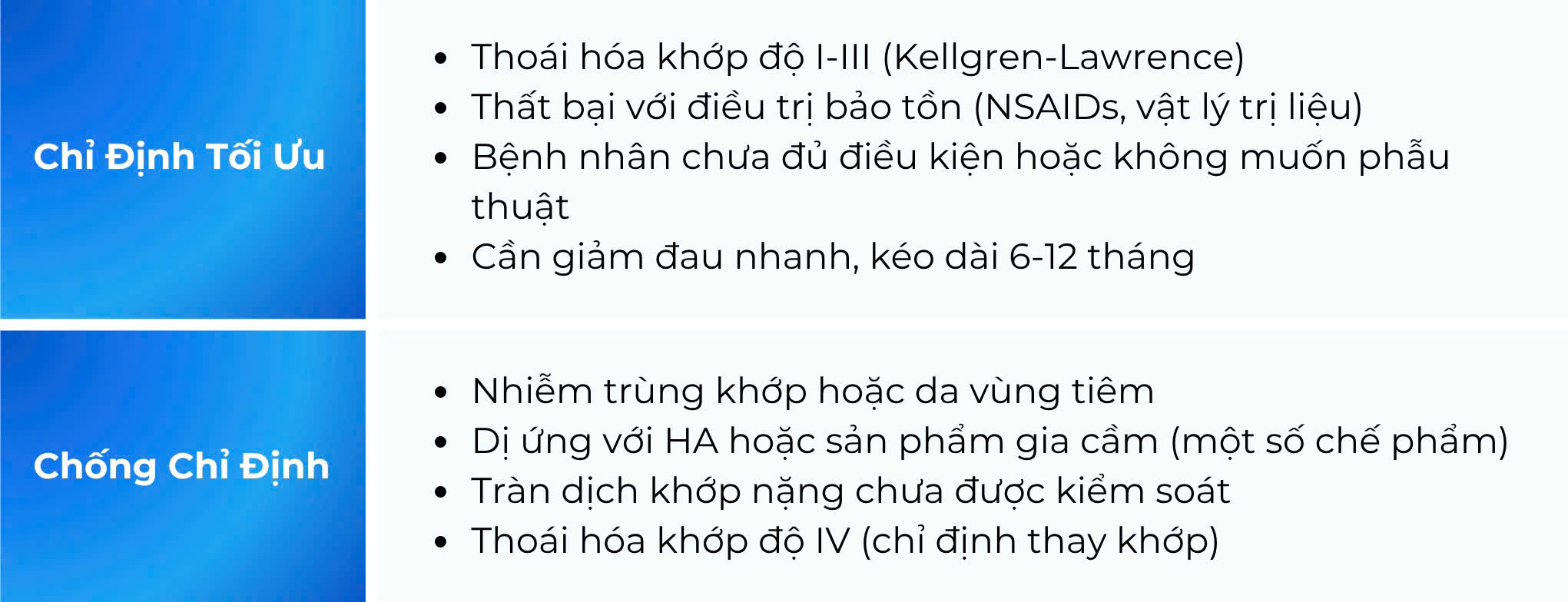
Chỉ Định Và Chống Chỉ Định
Novamed Global – Giải Pháp Viscosupplementation Cho Cơ Sở Y Tế
Novamed Global cung cấp cho các cơ sở y tế tại Việt Nam:
- Sản phẩm HA nội khớp đạt tiêu chuẩn CE/FDA – đa dạng phân tử lượng và phác đồ
- Tư vấn lựa chọn sản phẩm phù hợp với từng giai đoạn thoái hóa khớp
- Hỗ trợ kỹ thuật tiêm nội khớp dưới hướng dẫn siêu âm
- Giải pháp toàn diện từ chẩn đoán đến điều trị cho phòng khám chỉnh hình
Dành cho bác sĩ & bệnh viện: Liên hệ Novamed Global để nhận tư vấn danh mục sản phẩm HA và protocol điều trị thoái hóa khớp cập nhật nhất.