












 Back
BackPatient Resources
Hip Pain
Common Causes of Hip Pain
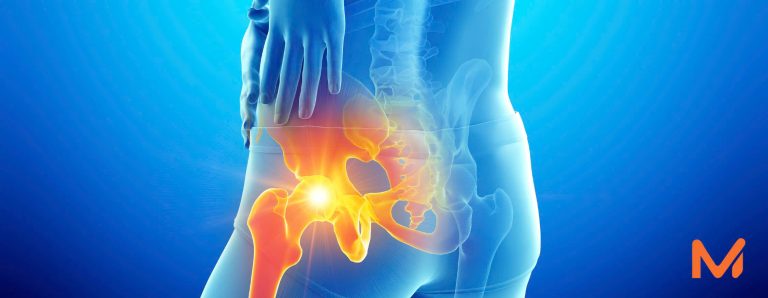
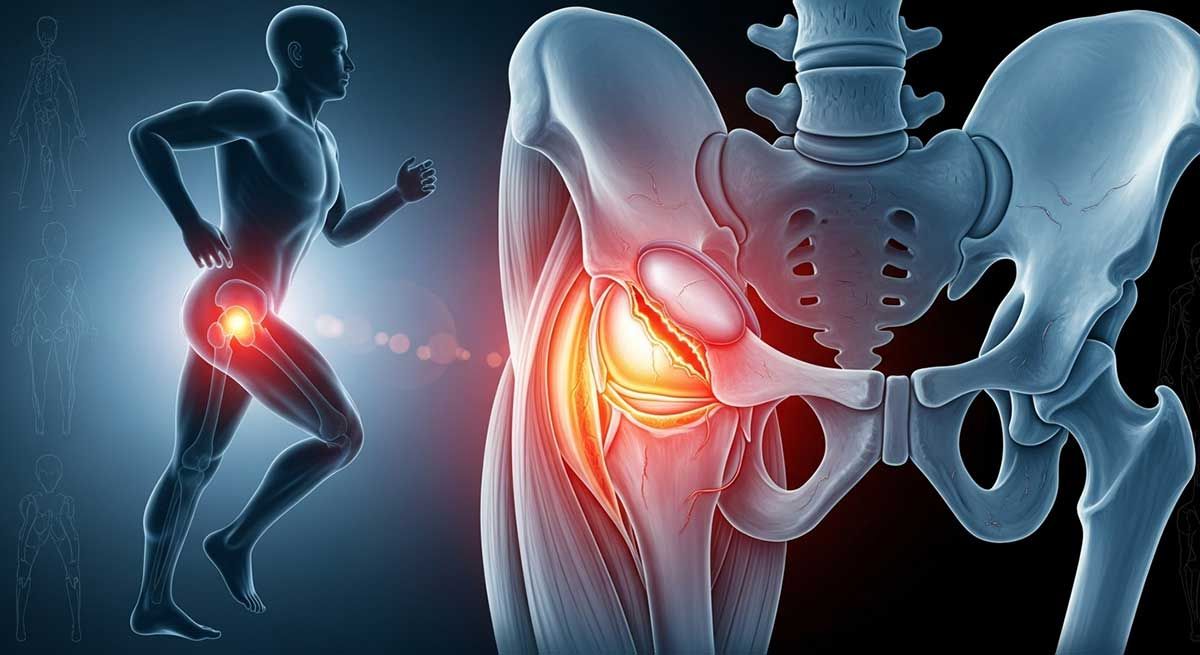
The hip joint plays a vital role in supporting body weight, enabling movement such as walking, standing, sitting, and maintaining balance. When hip pain occurs, it can significantly affect daily activities and overall quality of life.
Hip pain should not be overlooked, as it may indicate underlying joint or soft tissue conditions that require proper evaluation and care.
Hip pain can result from various conditions, including:
- Hip osteoarthritis is commonly seen in older adults or individuals with long-term joint stress
- Injuries caused by falls or accidents, affecting the hip joint or surrounding structures
- Inflammation of the joint, tendons, or bursae around the hip
- Hip joint infection, which is less common but potentially serious
Identifying the underlying cause is essential for appropriate management and long-term joint protection.
Warning Signs of Hip Pain Not to Ignore
Hip pain may present in different ways and is sometimes mistaken for other conditions:
- Pain in the groin, hip, or buttock area
- Pain radiating to the thigh or knee
- Increased pain during walking, standing, or changing positions
- Stiffness and reduced range of motion in the hip
Because pain can radiate to nearby areas, many patients mistakenly attribute hip pain to knee or lower back problems, delaying proper diagnosis.
What Patients SHOULD Do When Experiencing Hip Pain
When hip pain occurs, patients are encouraged to take the following steps:
- Reduce stress on the hip joint: Limit activities that place excessive load on the hip, such as heavy lifting or prolonged standing.
- Monitor symptoms carefully: Pay attention to when the pain occurs, how severe it is, and whether it improves or worsens with activity.
- Maintain gentle movement: Appropriate low-impact activities or guided exercises can help preserve joint mobility without aggravating symptoms.
- Seek medical evaluation when necessary: If pain persists or interferes with daily activities, professional assessment is recommended.
What Patients SHOULD NOT Do
Certain actions may worsen hip pain or delay recovery:
Do not ignore persistent pain: Ongoing hip pain should not be considered a normal part of aging or daily activity.
Do not continue strenuous activities while in pain: High-impact exercise or heavy physical work may increase joint damage.
Do not self-medicate long-term without guidance: Prolonged use of pain medication without medical supervision may mask symptoms and lead to complications.
When Should Patients See a Doctor?
Patients should seek medical attention if they experience:
- Hip pain lasting several days or weeks without improvement
- Gradually worsening pain
- Significant difficulty walking, standing, or sitting
- Pain following a fall, injury, or accident
Early evaluation helps determine the cause of hip pain and supports timely treatment, reducing the risk of long-term mobility limitations.
Conclusion
Hip pain is a condition that should not be underestimated. Recognizing early warning signs and knowing what actions to take—and avoid—can help patients protect joint function and maintain mobility over time.
This content is for educational purposes only and does not replace professional medical advice, diagnosis, or treatment.