






 Back
BackNews
A New Direction for Achilles Tendon Repair Surgery
In recent years, Achilles tendon injuries have become increasingly common, particularly among young people, athletes, and individuals with high-intensity lifestyles. Activities such as running, badminton, football, tennis, or basketball place repetitive and significant stress on the Achilles tendon, the largest and strongest tendon in the body, which plays a crucial role in lower limb movement.
Beyond sports, daily accidents, workplace injuries, and age-related tendon degeneration also increase the risk of Achilles tendon rupture. Severe tendon injuries can significantly impair walking, limit toe-off function, and reduce quality of life and work capacity.

Current Treatment Challenges
For complete ruptures or severe Achilles tendon injuries, surgical repair remains the most effective treatment to restore function. Historically, open surgery has been widely used due to direct visualization and precise control over tendon suturing.
However, open surgery has limitations, including long incisions, large scars, postoperative pain, infection risk, and extended recovery time. These drawbacks have driven the development of percutaneous Achilles tendon repair techniques, which are minimally invasive and more patient-friendly.
In practice, many hospitals still face challenges in performing percutaneous repair due to a lack of specialized instrumentation. Surgeons often rely on manual techniques, and tendon localization and suture passage depend heavily on experience, increasing the risk of errors, nerve injury, or suboptimal tendon repair outcomes.
Clinical Need: Standardization and Safety Enhancement in Tendon Repair
Clinical experience highlights the need for tools that support Achilles tendon repair by:
- Accurately locating the two ends of the ruptured tendon
- Facilitating safe and controlled percutaneous suturing
- Reducing complications and shortening patient recovery time
Such solutions provide the foundation for broader, safer, and more effective use of minimally invasive tendon repair techniques in clinical practice.
Novamed Global Solution: Novamed AchillesBridge™
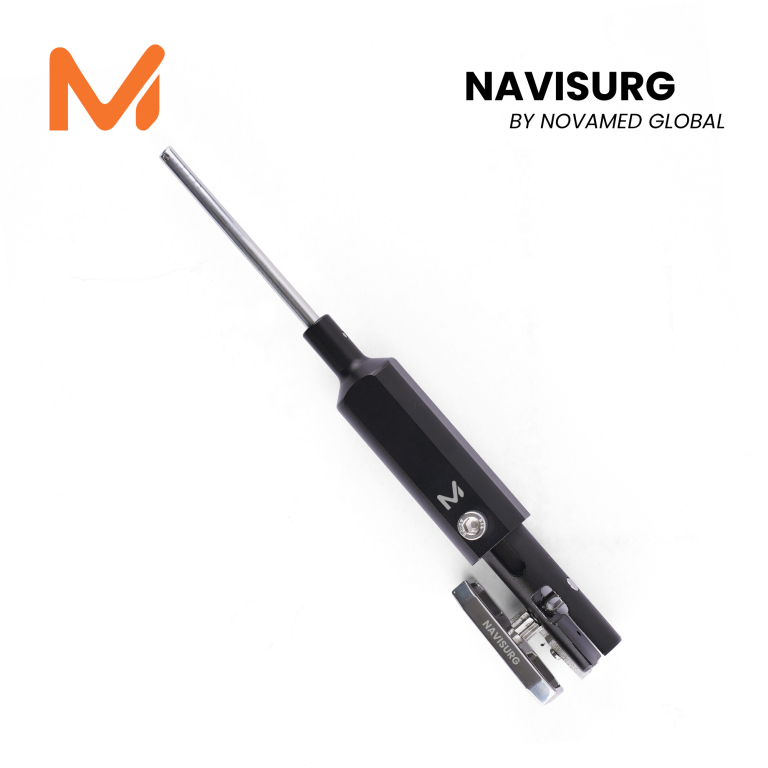
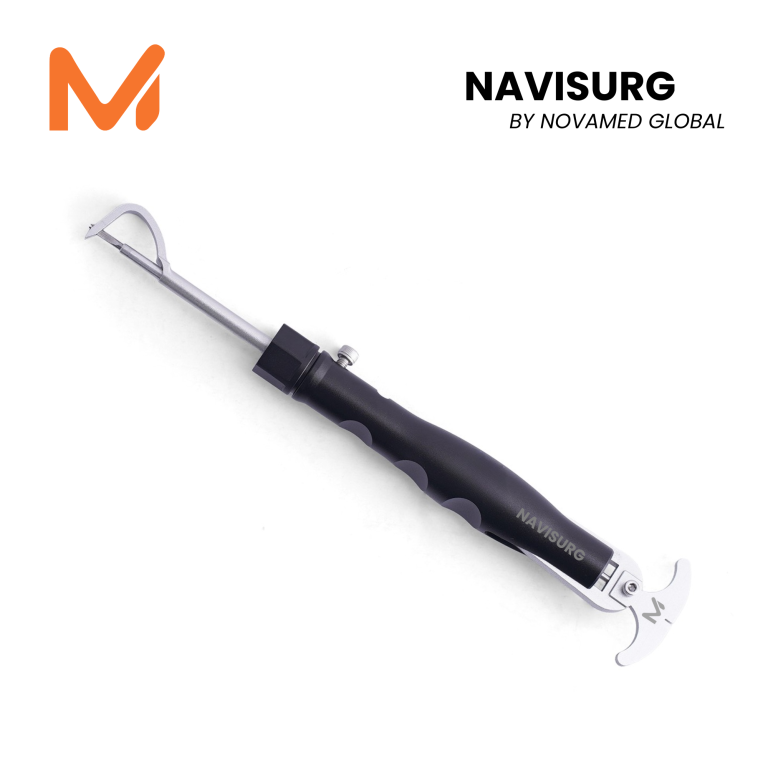
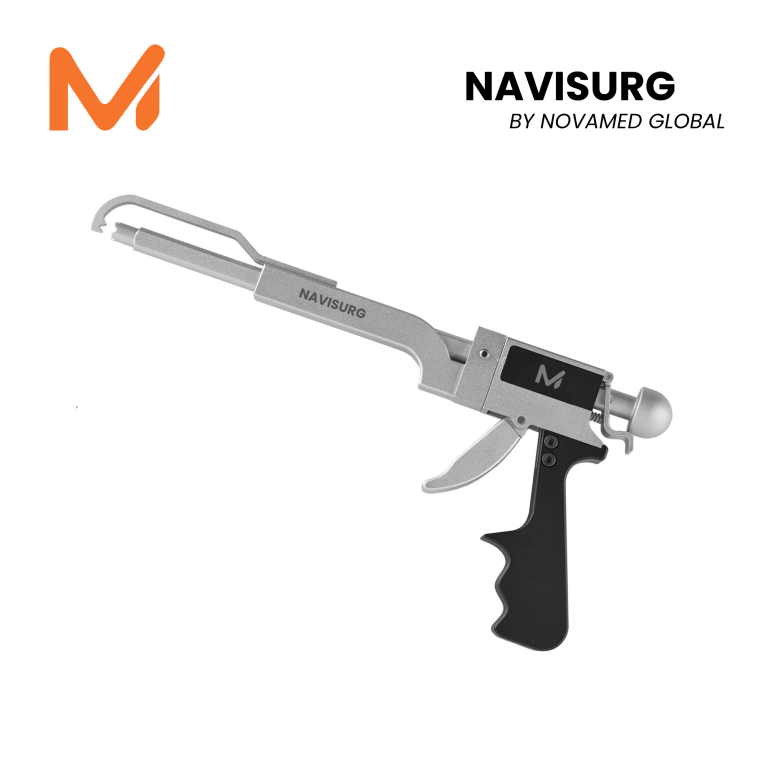
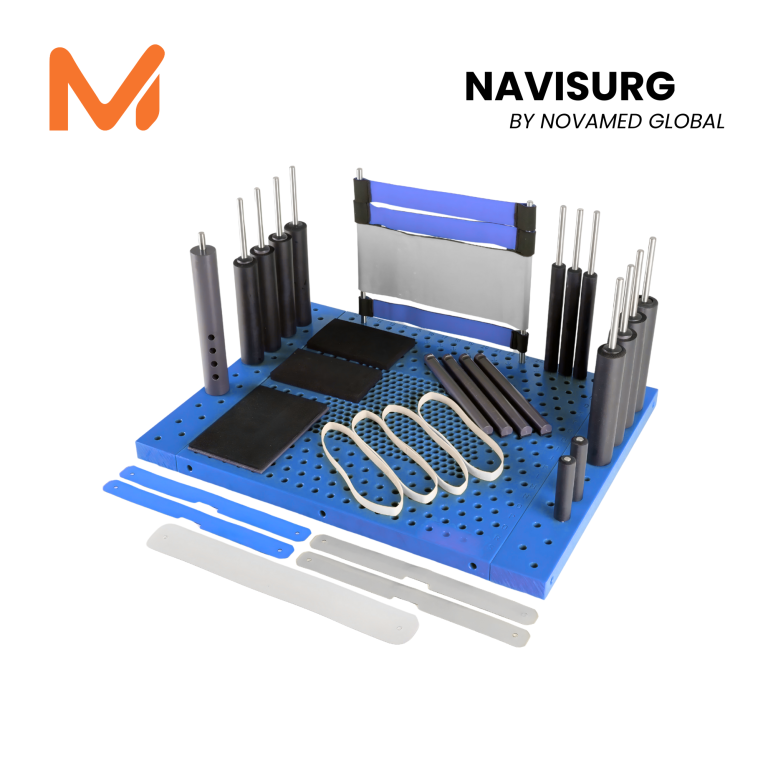
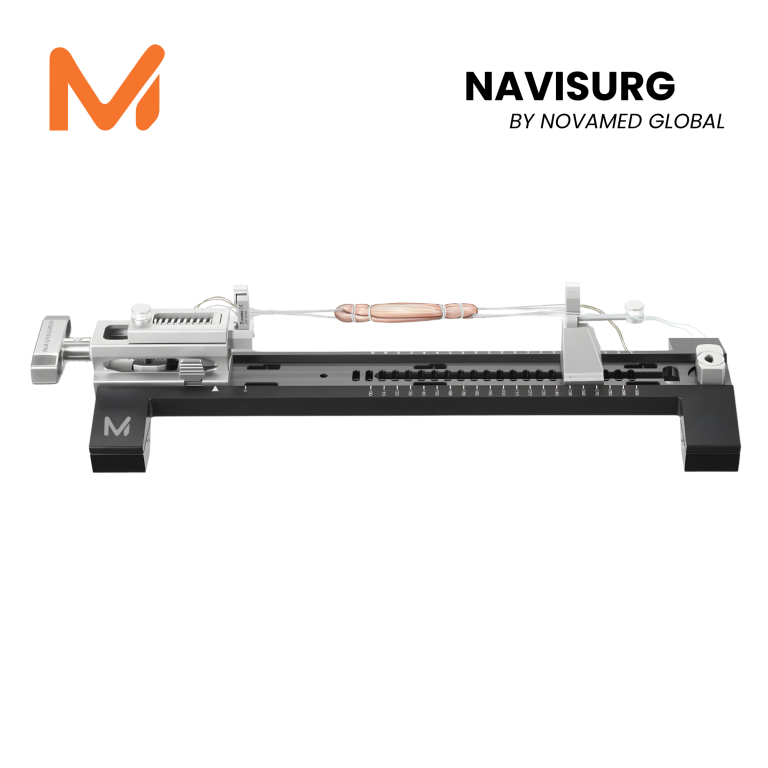
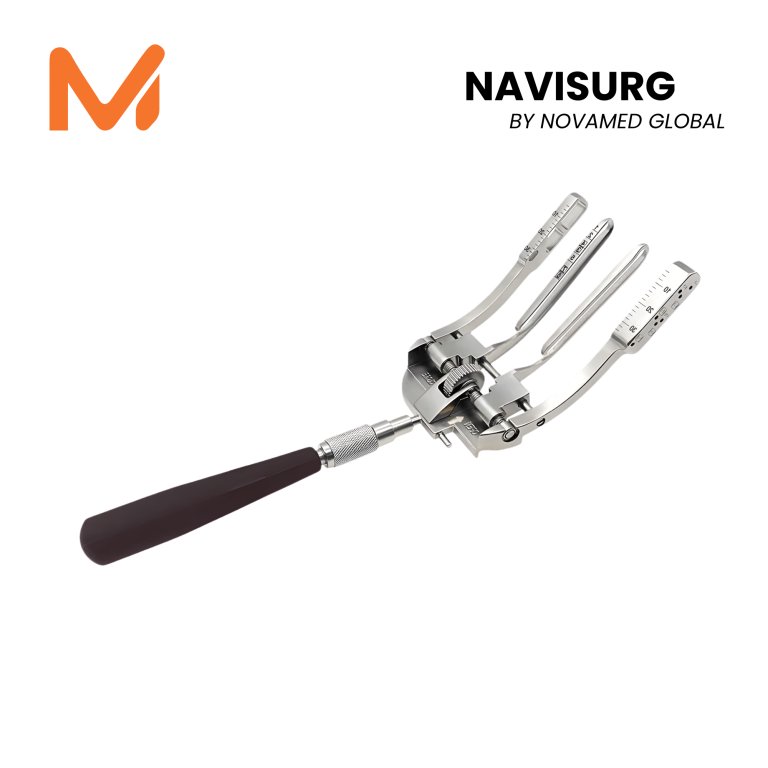
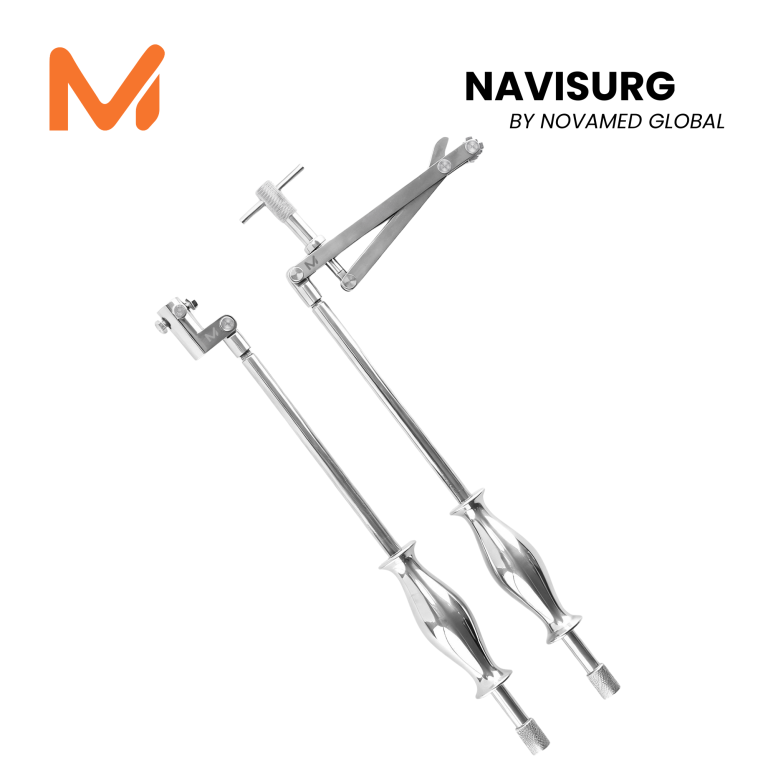
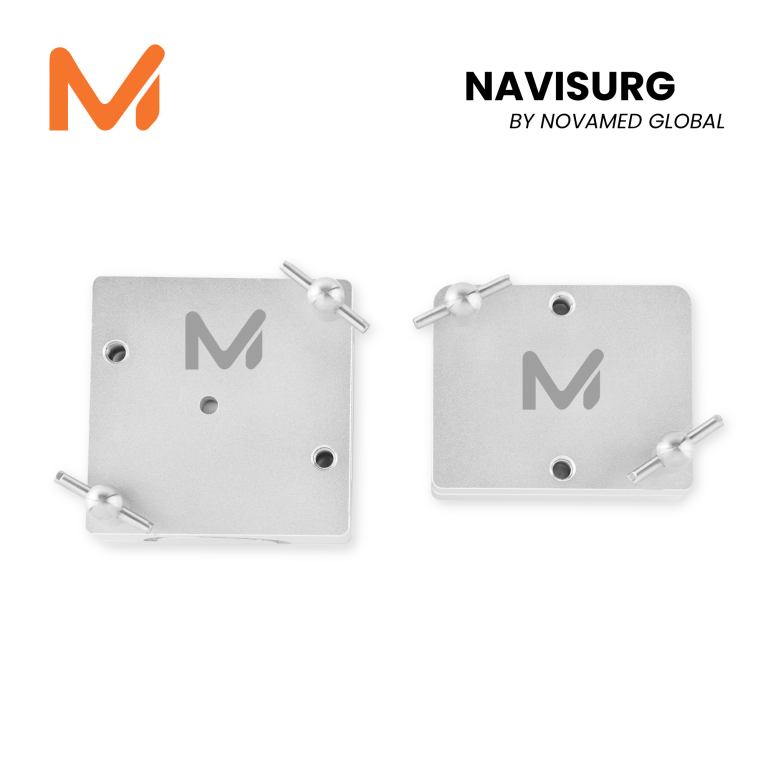
To address these needs, Novamed Global developed Novamed AchillesBridge™, a surgical instrument set designed for percutaneous Achilles tendon repair.
The system supports surgeons in precise tendon localization, suture passage, and tendon repair, standardizing surgical procedures, minimizing risks, and optimizing functional recovery outcomes.
Overview of Achilles Tendon Repair Surgery
Achilles tendon repair is indicated for complete ruptures or when more than 50 percent of the tendon thickness is torn, leaving the tendon ends unable to heal spontaneously. The surgical goal is to restore tendon length, physiological tension, and ankle function.
Alongside traditional open surgery, percutaneous repair is increasingly preferred due to its minimally invasive nature, reduced pain, and smaller scars. However, this approach requires specialized instrumentation to ensure precision and safety.
Current Techniques for Achilles Tendon Repair
The two main techniques are:
- Open surgery: Allows direct visualization, but results in large scars, higher infection risk, and longer recovery.
- Percutaneous repair: Minimally invasive, small incisions, less postoperative pain, and faster recovery, but requires high surgical skill and specialized tools to avoid nerve injury.
The choice of method depends on the extent of injury, time since rupture, and patient-specific conditions.
Key Advantages of Novamed AchillesBridge™
Novamed AchillesBridge™ is designed specifically for percutaneous Achilles tendon repair, offering several key benefits:
- Preservation of the paratenon: Protecting the tendon sheath is critical for tendon healing. The system maximizes paratenon preservation, promoting faster recovery, reducing scar formation, and preventing tendon shortening.
- Accurate tendon localization: Enables precise control of needle and suture placement.
- Reduced nerve injury risk: The system guides controlled manipulation to avoid complications.
- Optimized tendon suturing: Ensures secure, uniform, and stable repair.
- Durable, high-quality materials: Suitable for surgical environments, easy to clean, and reusable according to regulations.
- Practical, user-friendly design: Compatible with implementation across various healthcare facilities.
By protecting the tendon sheath and supporting precise manipulation, the system reduces reliance on purely manual techniques, minimizes complications, shortens operative time, and enhances functional recovery. Patients can mobilize earlier, achieve stronger tendon healing, and experience reduced scarring.
Conclusion
Achilles tendon rupture is a serious injury that directly affects mobility and quality of life. The development of percutaneous repair techniques offers a new treatment approach, reducing invasiveness and shortening recovery.
Based on clinical practice needs, Novamed AchillesBridge™ provides an effective solution for modern Achilles tendon repair surgery, protecting the tendon sheath, minimizing scarring and shortening, enhancing safety, standardizing techniques, and helping patients return to normal activity sooner while improving overall quality of life.