

















 Back
BackPatient Resources
Understanding Knee Pain
Knee Pain
Knee pain is a common condition affecting people of all ages, from younger individuals with active lifestyles to older adults. The discomfort may present as a dull ache, pain during walking or prolonged standing, or sharp pain when climbing stairs, squatting, or changing positions.
For many patients, knee pain can significantly impact daily activities, work, and overall quality of life. Understanding its causes and knowing how to respond appropriately can help prevent long-term complications.

Common Causes of Knee Pain
Knee pain may result from various underlying factors, including:
- Age-related knee osteoarthritis, leading to gradual cartilage wear
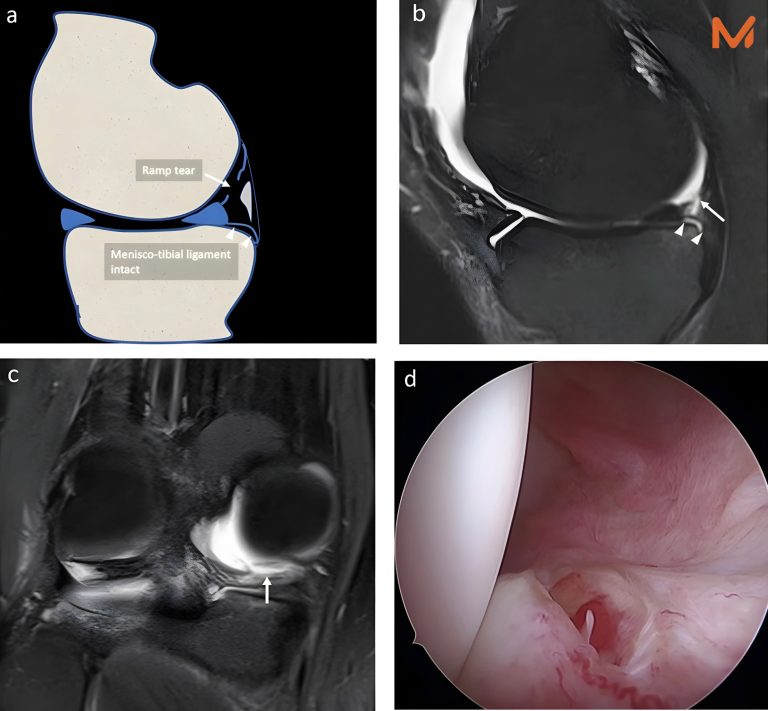
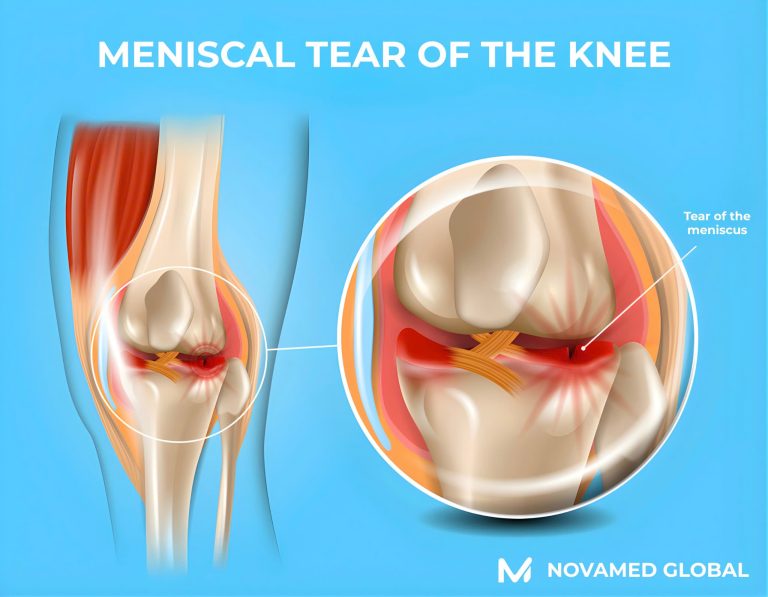
- Sports or activity-related injuries, such as ligament or meniscus damage
- Tendon inflammation or bursitis around the knee joint
- Excess body weight increases stress on the knee
- Poor posture or repetitive strain from daily activities or work
Identifying the cause of knee pain is an important first step toward appropriate care and management.
What Patients SHOULD Do When Experiencing Knee Pain
When knee pain occurs, patients are encouraged to take proactive and supportive measures:
- Rest appropriately: Reduce activities that place excessive stress on the knee, such as running, jumping, or heavy lifting.
- Monitor symptoms: Pay attention to when the pain occurs, how long it lasts, and whether it is accompanied by swelling, stiffness, or instability. This information is helpful when consulting a healthcare professional.
- Maintain gentle movement: Light activities, such as slow walking or stretching exercises, may help maintain joint flexibility when performed appropriately.
- Manage body weight: Maintaining a healthy weight can significantly reduce pressure on the knee joint and ease symptoms.
- Seek medical evaluation when needed: If pain persists, worsens, or interferes with daily activities, patients should seek professional assessment for accurate diagnosis and guidance.
What Patients SHOULD NOT Do When Experiencing Knee Pain
Equally important is avoiding actions that may worsen the condition:
- Do not ignore persistent pain: Assuming knee pain is “normal” or age-related may delay proper care and allow the condition to progress.
- Do not push through pain: Continuing high-impact sports or strenuous activities despite pain can increase the risk of further injury.
- Do not self-medicate long-term without guidance: Prolonged use of pain-relief medications without medical advice may mask symptoms and lead to unwanted side effects.
- Do not rely on unverified home remedies: Aggressive massage or unproven treatments may aggravate inflammation or joint damage.
When Should Patients Seek Medical Attention?
Patients are advised to seek medical care if they experience:
- Knee pain lasting several weeks without improvement
- Noticeable swelling, warmth, or redness around the joint
- Difficulty walking or a feeling of joint instability
- Pain following an injury or accident
Early evaluation can help determine the cause and guide appropriate treatment options.
Conclusion
Knee pain is common but should not be overlooked. By understanding potential causes and knowing what actions to take—and avoid—patients can play an active role in protecting their joint health and maintaining mobility.
This content is for educational purposes only and does not replace professional medical advice, diagnosis, or treatment.