








 Back
BackApplications, News, Education
KNEE OSTEOARTHRITIS: CAUSES, CLASSIFICATION, DIAGNOSIS, AND COMPREHENSIVE TREATMENT STRATEGY
Knee Osteoarthritis: Causes, Classification, Diagnosis, and Comprehensive Treatment Strategy
Thoái Hóa Khớp Gối: Nguyên Nhân, Phân Loại, Chẩn Đoán Và Phác Đồ Điều Trị Toàn Diện
English Version | Bản tiếng Việt bên dưới.

What Is Knee Osteoarthritis?
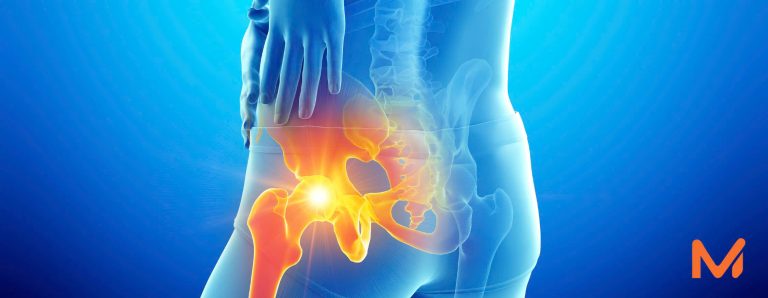
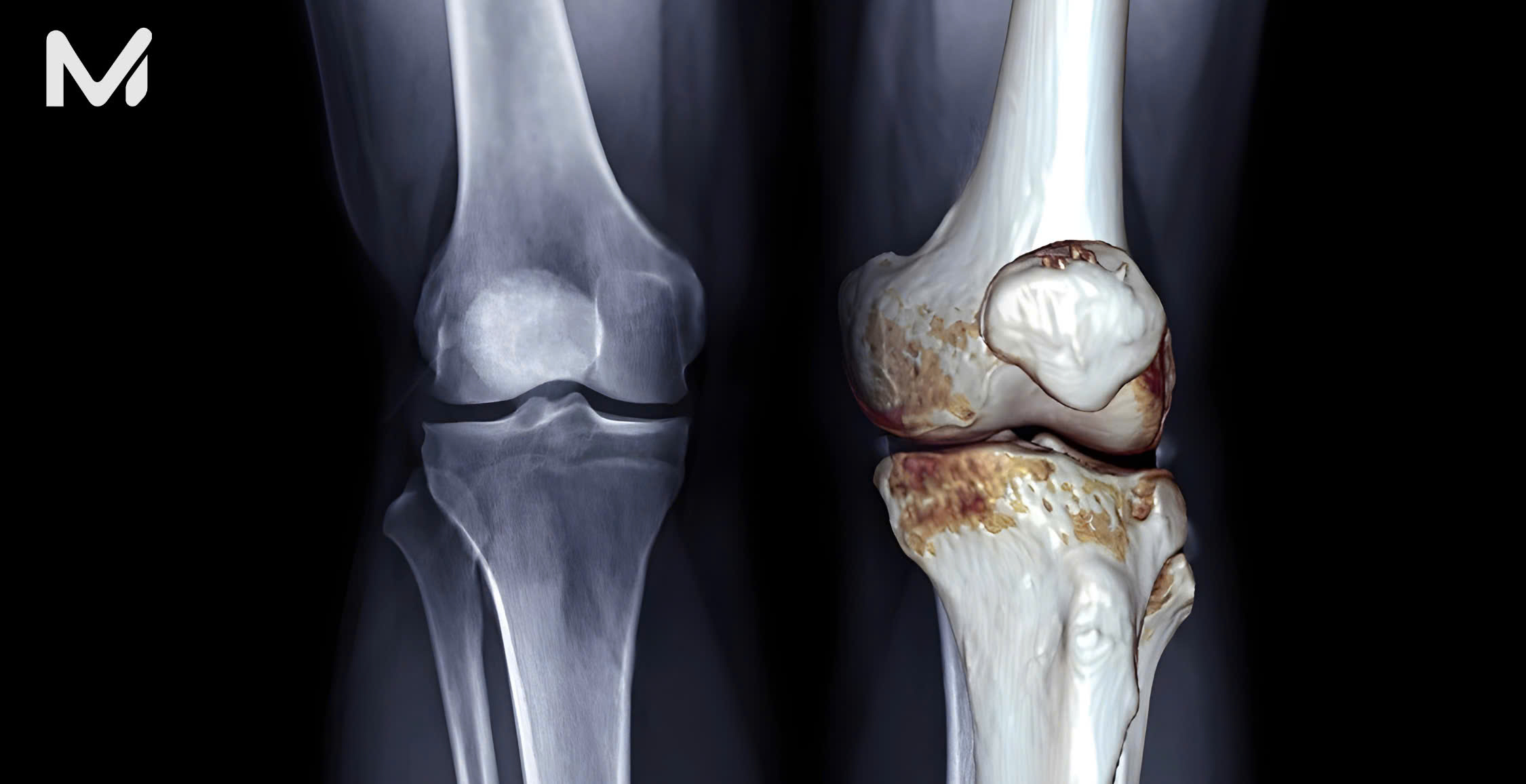
Knee osteoarthritis (OA), also known as degenerative joint disease, is the result of a progressive process of wear and loss of articular cartilage. It is the most common disease in the elderly. Knee osteoarthritis is classified into two types: primary and secondary. Primary osteoarthritis refers to the degeneration of articular cartilage without a clear cause. Secondary osteoarthritis results from abnormal mechanical forces acting on the joint, such as post-traumatic causes, or abnormal cartilage conditions such as in rheumatoid arthritis.
Osteoarthritis is a progressive disease that can lead to disability. The severity of clinical symptoms varies among individuals but typically becomes more severe, more frequent, and more disabling over time.
Global and Vietnamese Burden
Osteoarthritis is a common disease affecting nearly 528 million people worldwide, including 23% of the global population aged 40 years and older, and is characterized by progressive damage to articular cartilage.
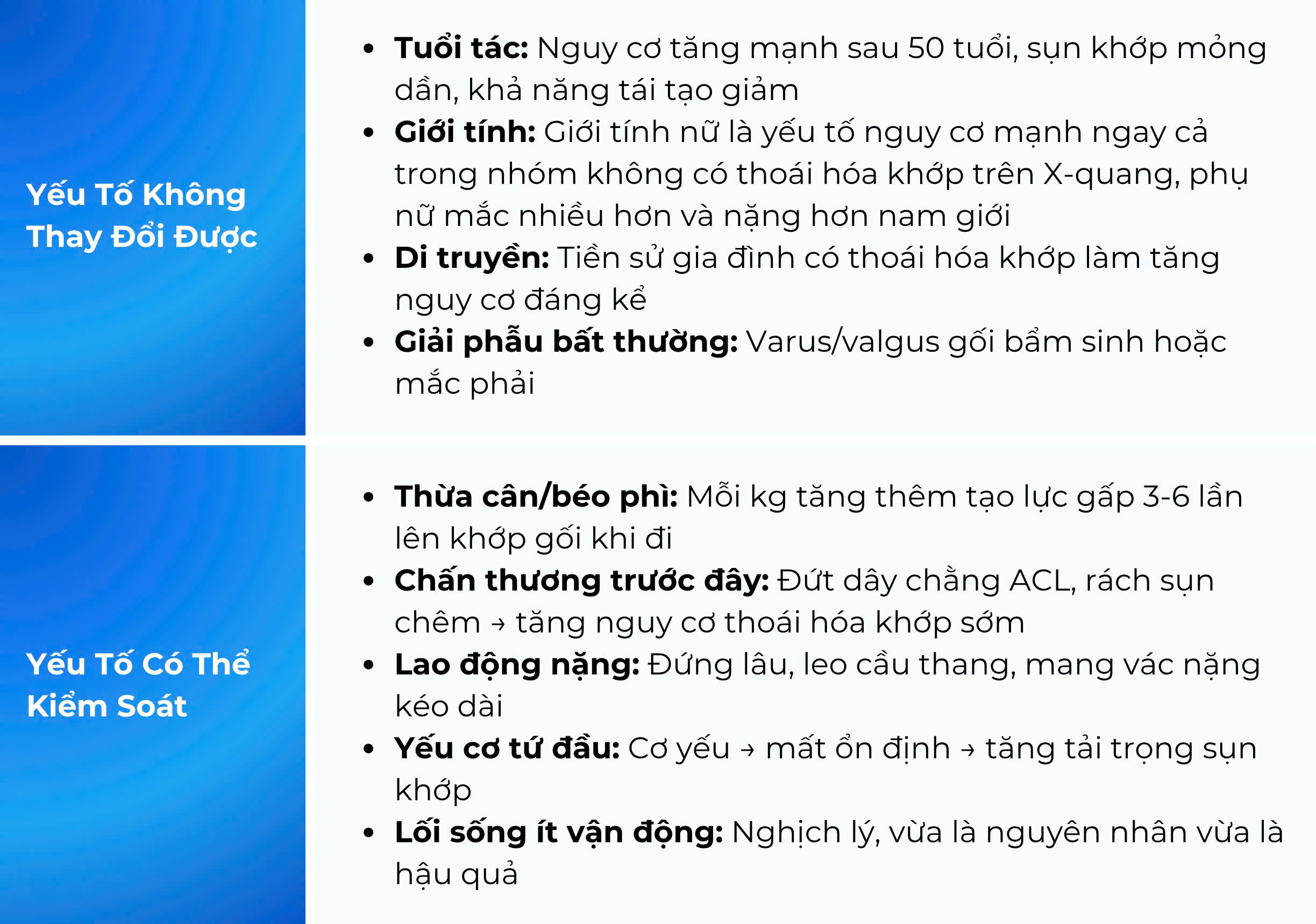
In Vietnam, with rapid population aging and increasing rates of overweight, knee osteoarthritis is becoming an increasingly significant healthcare burden, especially among women over 50 years old and individuals engaged in heavy physical labor.
Causes and Risk Factors

Pathophysiology – More Than Just “Wear and Tear”
Modern understanding has moved far beyond the traditional concept that osteoarthritis is merely mechanical wear:
The inflammatory process in osteoarthritis begins in the synovial membrane with activation of the immune system, involving both humoral and cellular mediators. A key role in this process is played by damage-associated molecular patterns (DAMPs).
The pathological cascade progresses in sequence:

Clinical Symptoms
Main Symptoms
- Knee pain – the most important feature:
- Worsens with activity, climbing stairs, prolonged standing
- Relieved by rest
- Late stage: pain at rest or at night
- Morning stiffness: usually < 30 minutes (in contrast to rheumatoid arthritis > 1 hour)
- Limited range of motion: inability to fully flex or extend
- Crepitus: grinding sensation during joint movement
Physical Signs
- Knee swelling (joint effusion)
- Tenderness along the joint line
- Knee deformity (varus/valgus) in advanced stages
- Quadriceps muscle atrophy
- Reduced joint space height on weight-bearing
Diagnosis
- X-ray – Gold Standard for Classification
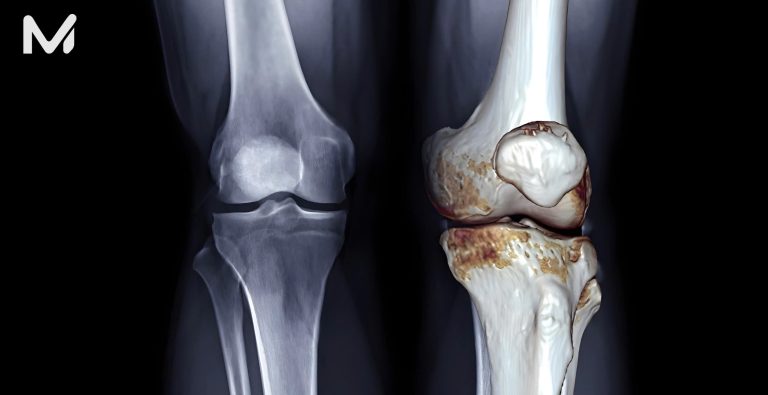
The Kellgren-Lawrence (KL) classification system is the most commonly used grading system, based on weight-bearing radiographs of both knees in the standing position. Higher grades indicate more severe disease and a greater need for surgical intervention.
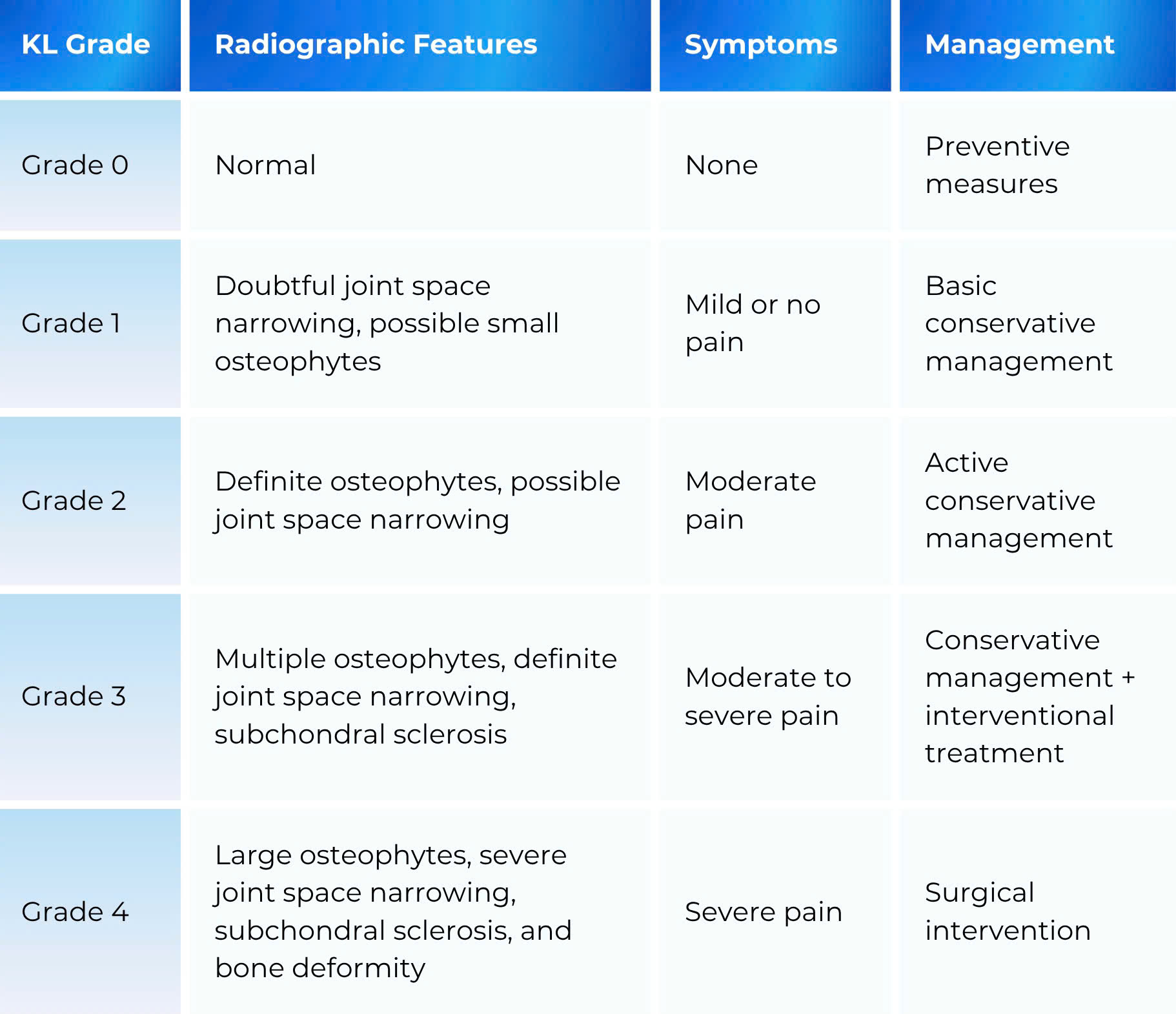
The risk of disease progression to the point of requiring surgery increases significantly with higher KL grades.
- MRI – Comprehensive Soft Tissue Assessment
Not necessary in all cases, but useful when:
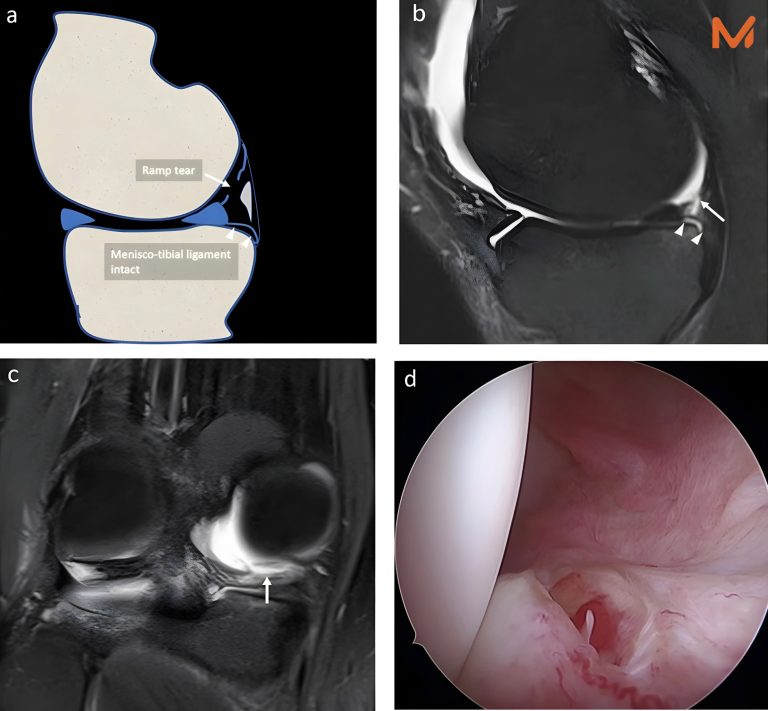
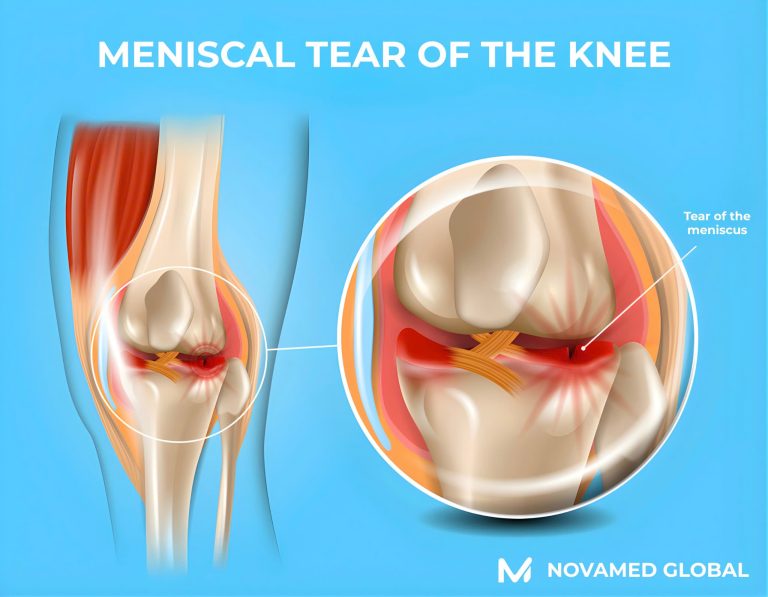
- Evaluation of associated meniscal pathology is required
- Exclusion of other conditions
- Planning for joint-preserving surgery
- Blood Tests
Used to exclude secondary causes (rheumatoid arthritis, gout, etc.), not specific for primary osteoarthritis.
Comprehensive Treatment Strategy – Stepwise Approach
- STEP 1: Non-pharmacological Treatment
Weight reduction and BMI control: The most cost-effective measure.
Physical therapy and exercise, Non-surgical treatment is often beneficial for patients with Kellgren-Lawrence grades 1-3. Surgical treatment is often required to manage or improve advanced osteoarthritis (grade 4).
- Strengthening of the quadriceps and hip muscles
- Low-impact aerobic exercises (swimming, cycling, walking)
- Assistive devices (canes, shoe inserts, knee braces)
Lifestyle modification
- Avoid positions and activities that overload the joint
- Adjust the living environment
- STEP 2: Pharmacological and Injection Therapy
Oral medications
- Paracetamol: mild to moderate pain relief
- NSAIDs (Ibuprofen, Naproxen, Celecoxib): more effective but require consideration of gastrointestinal and cardiovascular side effects
Intra-articular corticosteroid injection
- Provides rapid anti-inflammatory effects during an acute flare
- Should not be overused, maximum 3-4 injections per year due to risk of cartilage damage with long-term use
Intra-articular Hyaluronic Acid injection (Viscosupplementation): Hyaluronic acid is more effective than corticosteroids in pain reduction because 3-5 weekly HA injections provide pain relief lasting 5-13 weeks compared to 2-3 weeks with corticosteroids.
PRP (Platelet-Rich Plasma) injection: At 12-month follow-up, WOMAC pain scores and overall pain improved significantly in both HA and PRP groups; however, better outcomes were observed in the PRP group, particularly in Kellgren grades 1 and 2.
- STEP 3: Joint-Preserving Surgical Interventions
Osteotomy Suitable for younger patients with unicompartmental osteoarthritis and malalignment:
- HTO (High Tibial Osteotomy): correction of varus alignment → reduces load on the medial compartment
- DFO (Distal Femoral Osteotomy): correction of valgus alignment → reduces load on the lateral compartment
Knee arthroscopy
- Debridement of osteophytes and associated meniscal tears
- Limited role in isolated osteoarthritis – does not replace other treatments
- STEP 4: Knee Arthroplasty
Unicompartmental Knee Arthroplasty (UKA): Suitable when osteoarthritis is confined to a single compartment (commonly medial), with an intact anterior cruciate ligament.
Total Knee Arthroplasty (TKA) Indicated when:
- KL Grade 4 with severe symptoms
- Failure of all conservative treatments
- Significant impairment of quality of life
This is one of the most successful procedures in modern medicine, improving pain and function in more than 90% of patients.
Prevention of Knee Osteoarthritis – Start Today
- Maintain a healthy weight (BMI < 23)
- Exercise regularly, prioritizing swimming, walking, and cycling
- Strengthen quadriceps and hip muscles
- Avoid sports injuries, perform proper warm-up, use protective equipment
- Early treatment of ACL and meniscal injuries to prevent secondary osteoarthritis
- Regular health check-ups after age 40
Novamed Global – Comprehensive Solutions Across the Knee Osteoarthritis Treatment Spectrum
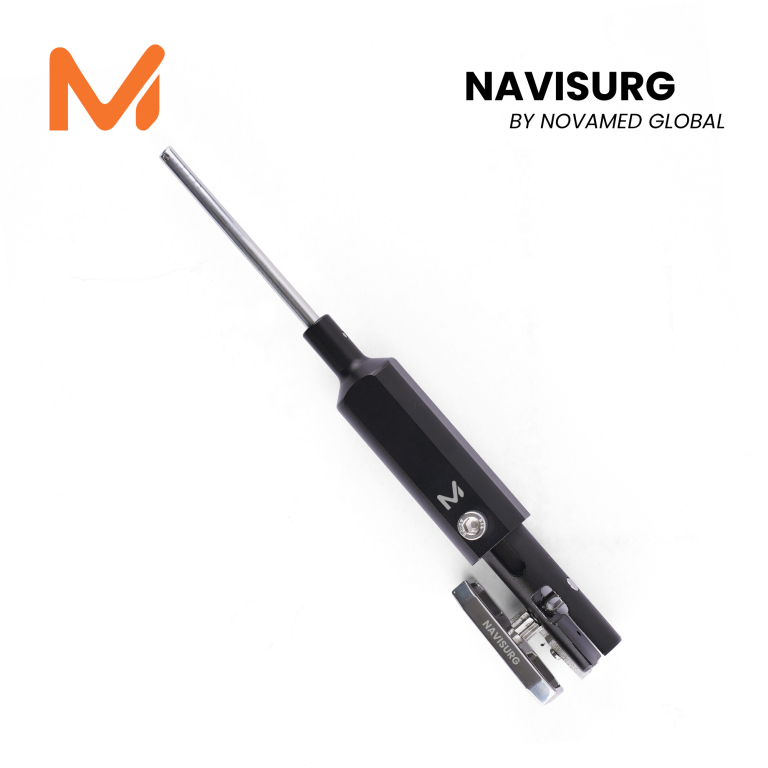
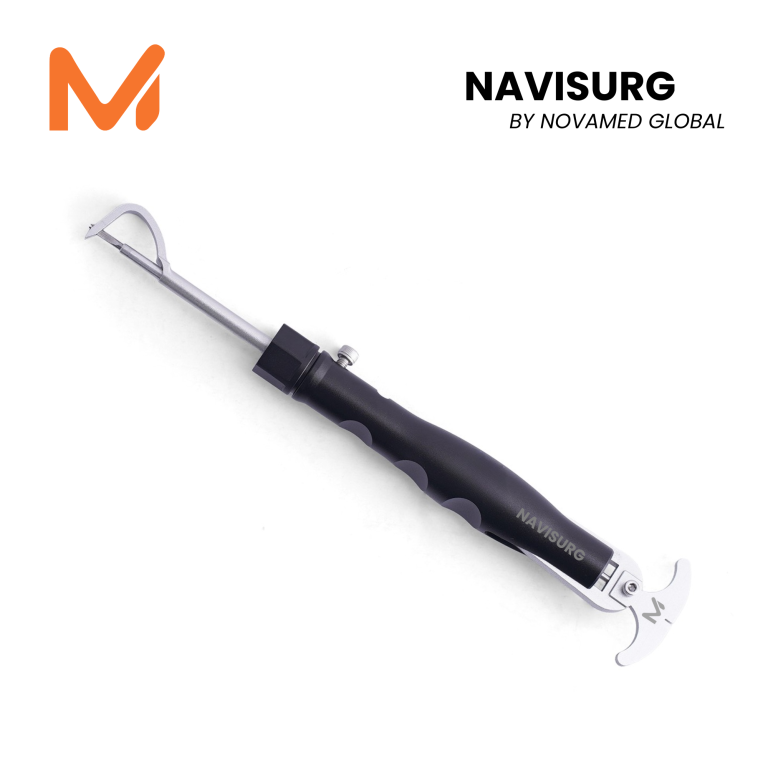
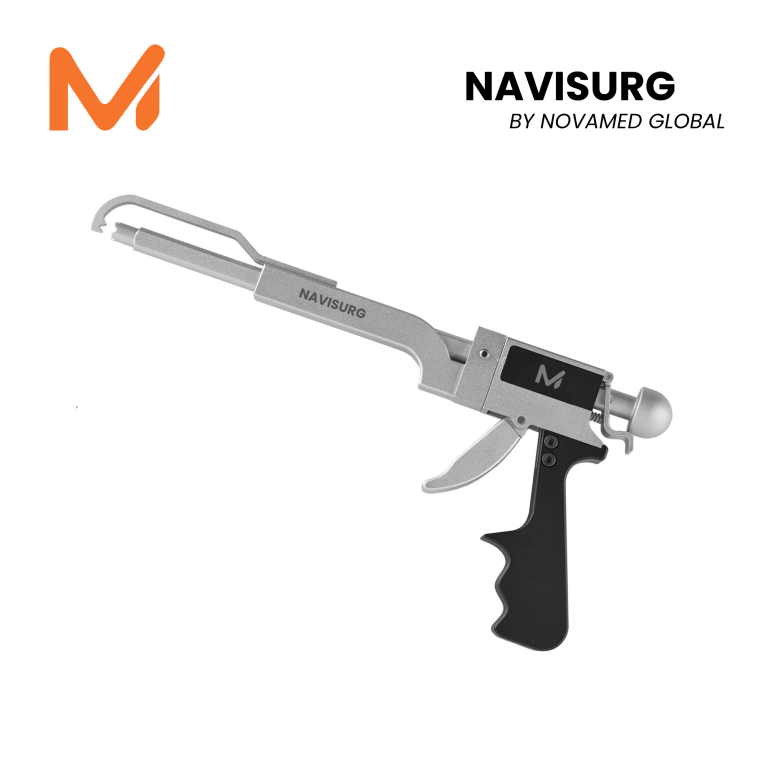
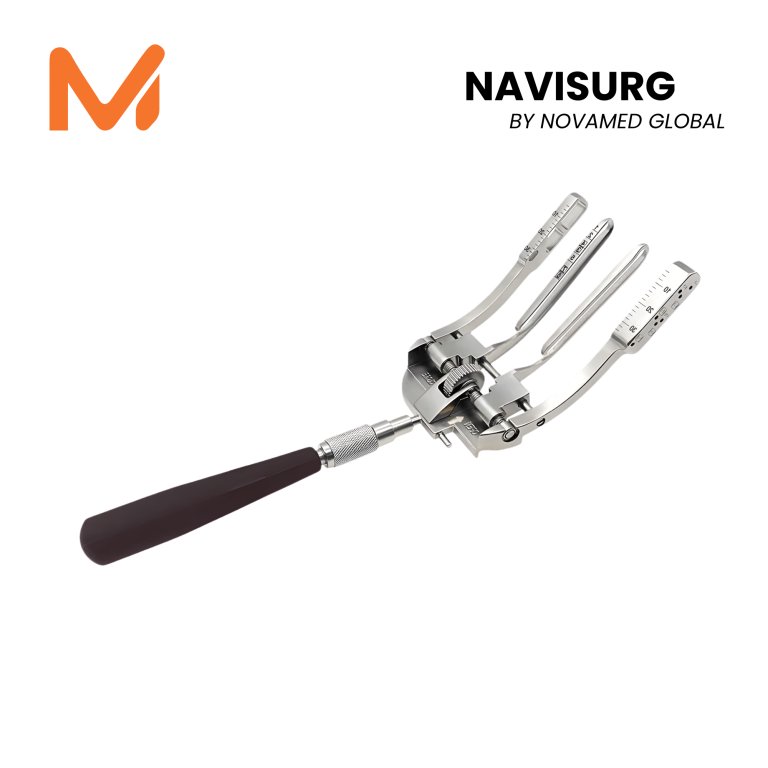
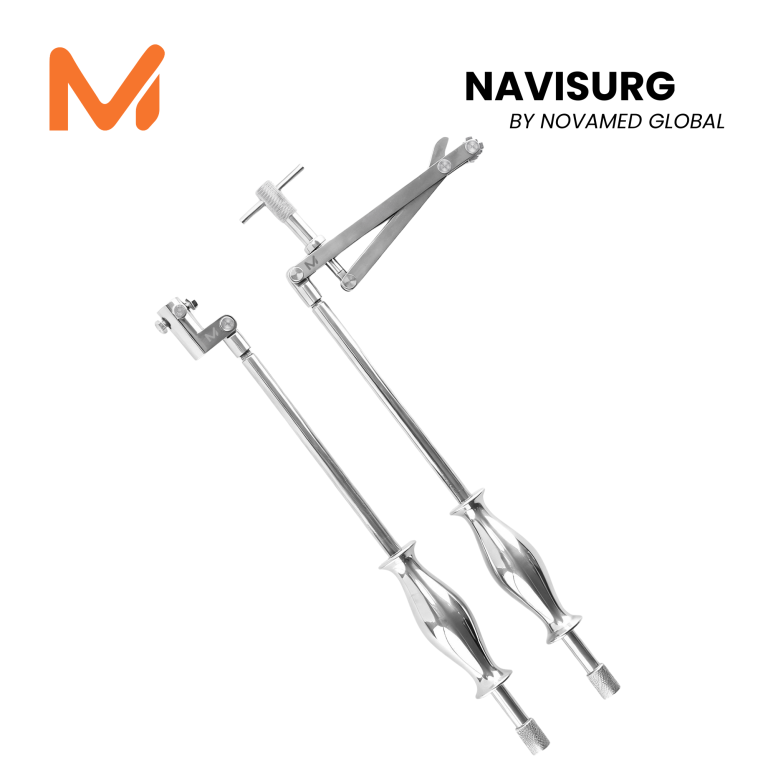
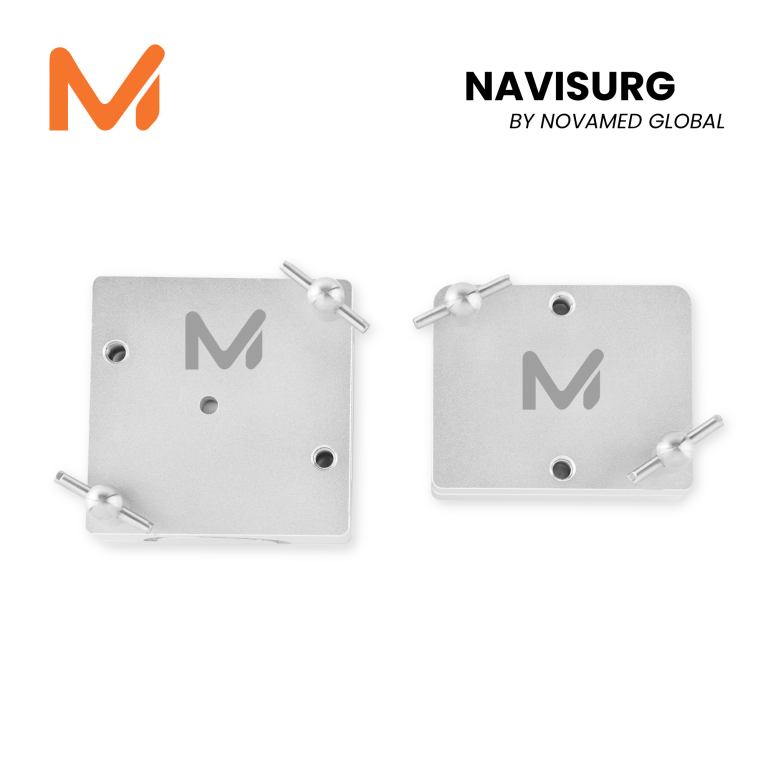
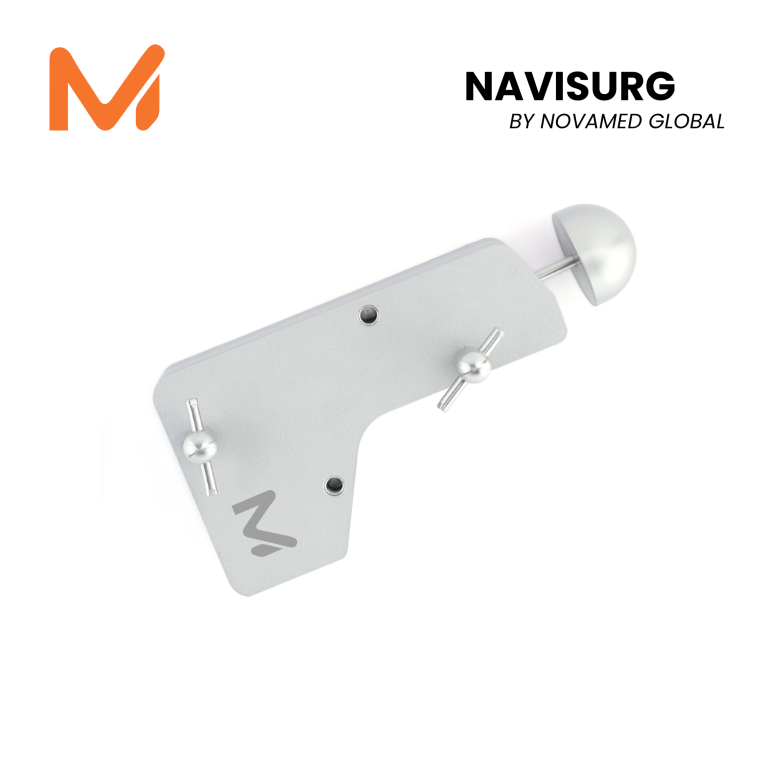
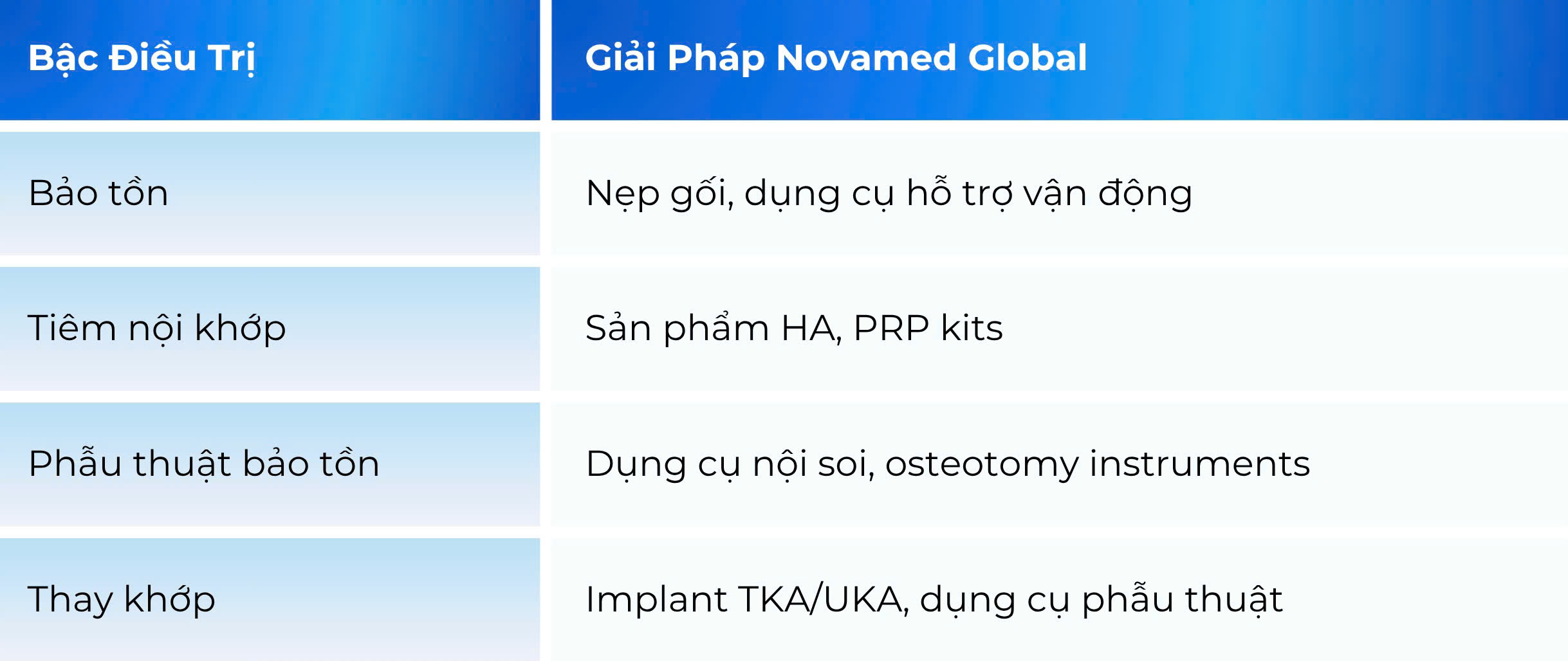
Novamed Global provides specialized medical equipment for each stage of treatment:

For physicians and hospitals: Contact Novamed Global for comprehensive consultation on knee osteoarthritis treatment equipment portfolios tailored to your facility.
Thoái Hóa Khớp Gối Là Gì?
Thoái hóa khớp gối (Knee Osteoarthritis – OA), còn gọi là bệnh khớp thoái hóa, là kết quả của quá trình mài mòn và mất sụn khớp tiến triển. Đây là bệnh phổ biến nhất ở người cao tuổi. Thoái hóa khớp gối chia thành hai loại: nguyên phát và thứ phát. Thoái hóa khớp nguyên phát là thoái hóa sụn khớp không có nguyên nhân rõ ràng. Thoái hóa khớp thứ phát là hậu quả của lực tác động bất thường lên khớp, như trong các nguyên nhân sau: chấn thương hoặc sụn khớp bất thường như trong viêm khớp dạng thấp.
Thoái hóa khớp là bệnh tiến triển có thể dẫn đến tàn tật. Cường độ triệu chứng lâm sàng có thể khác nhau ở mỗi người, nhưng thường trở nên nặng hơn, thường xuyên hơn và gây tàn tật nhiều hơn theo thời gian.
Gánh Nặng Toàn Cầu Và Tại Việt Nam
Thoái hóa khớp là bệnh phổ biến ảnh hưởng đến gần 528 triệu người trên toàn thế giới, bao gồm 23% dân số toàn cầu từ 40 tuổi trở lên, và được đặc trưng bởi tổn thương tiến triển của sụn khớp.
Tại Việt Nam, với dân số già hóa nhanh và tỷ lệ thừa cân tăng cao, thoái hóa khớp gối đang trở thành gánh nặng y tế ngày càng lớn. Đặc biệt ở phụ nữ trên 50 tuổi và những người lao động thể chất nặng.
Nguyên Nhân Và Yếu Tố Nguy Cơ
Sinh Bệnh Học – Không Chỉ Là “Mòn Khớp”
Nhận thức hiện đại đã vượt xa quan niệm cũ “thoái hóa khớp chỉ là mòn cơ học”:
Quá trình viêm trong thoái hóa khớp bắt đầu ở màng hoạt dịch với sự hoạt hóa của hệ miễn dịch, liên quan đến cả các chất trung gian dịch thể và tế bào. Vai trò quan trọng trong quá trình này được đóng bởi các “damage-associated molecular patterns” (DAMPs).
Chuỗi bệnh lý diễn ra theo trình tự:

Triệu Chứng Lâm Sàng
Triệu Chứng Chính
- Đau khớp gối – đặc điểm quan trọng nhất:
- Tăng khi vận động, leo cầu thang, đứng lâu
- Giảm khi nghỉ ngơi
- Giai đoạn muộn: đau cả khi nghỉ hoặc về đêm
- Cứng khớp buổi sáng: thường < 30 phút (khác với viêm khớp dạng thấp > 1 giờ)
- Hạn chế tầm vận động: không gập duỗi hoàn toàn
- Tiếng lạo xạo (crepitus): khi vận động khớp
Dấu Hiệu Thực Thể
- Sưng khớp gối (tràn dịch khớp)
- Đau khi ấn vào khe khớp
- Biến dạng khớp gối (varus/valgus) ở giai đoạn muộn
- Teo cơ tứ đầu đùi
- Giảm chiều cao khe khớp khi đứng
Chẩn Đoán
-
X-quang – Tiêu Chuẩn Vàng Phân Loại
Hệ thống phân loại Kellgren-Lawrence (KL) là hệ thống phân loại được sử dụng phổ biến nhất, dựa trên X-quang chịu lực tư thế đứng của cả hai gối. Các độ cao hơn cho thấy dấu hiệu nặng hơn và nhu cầu can thiệp phẫu thuật.

Nguy cơ tiến triển của bệnh đến mức cần phẫu thuật tăng đáng kể khi độ KL tăng.
-
MRI – Đánh Giá Toàn Diện Mô Mềm
Không cần thiết trong mọi trường hợp, nhưng hữu ích khi:
- Cần đánh giá sụn chêm kèm theo
- Loại trừ các tổn thương khác
- Lập kế hoạch phẫu thuật bảo tồn khớp
-
Xét Nghiệm Máu
Để loại trừ các nguyên nhân thứ phát (viêm khớp dạng thấp, gút…) không đặc hiệu cho thoái hóa khớp nguyên phát.
Phác Đồ Điều Trị Toàn Diện – Theo Bậc Thang
-
BẬC 1: Điều Trị Không Dùng Thuốc
Giảm cân và kiểm soát BMI: Biện pháp hiệu quả nhất về chi phí.
Vật lý trị liệu và tập luyện điều trị không phẫu thuật thường hữu ích cho bệnh nhân Kellgren-Lawrence độ 1-3. Điều trị phẫu thuật thường cần thiết để điều trị hoặc cải thiện giai đoạn tiến triển của thoái hóa khớp (độ 4).
- Tăng cường cơ tứ đầu và cơ vùng hông
- Bài tập aerobic tác động thấp (bơi lội, xe đạp, đi bộ)
- Dụng cụ hỗ trợ (gậy chống, đế lót giày, nẹp gối)
Thay đổi lối sống
- Tránh các tư thế và hoạt động gây quá tải khớp
- Điều chỉnh môi trường sinh hoạt
-
BẬC 2: Điều Trị Thuốc Và Tiêm Khớp
Thuốc uống
- Paracetamol: giảm đau nhẹ đến trung bình
- NSAIDs (Ibuprofen, Naproxen, Celecoxib): hiệu quả hơn nhưng cần cân nhắc tác dụng phụ tiêu hóa, tim mạch
Tiêm Corticosteroid nội khớp
- Giảm viêm nhanh trong đợt cấp
- Không lạm dụng, tối đa 3-4 mũi/năm, vì nguy cơ tổn thương sụn khi dùng lâu dài
Tiêm Hyaluronic Acid (Viscosupplementation). Hyaluronic acid hiệu quả trong việc giảm đau hơn corticosteroid vì 3-5 mũi HA hàng tuần có tác dụng giảm đau 5-13 tuần sau tiêm so với 2-3 tuần với corticosteroid.
Tiêm PRP (Huyết tương giàu tiểu cầu) tại 12 tháng theo dõi, điểm đau WOMAC và đau cơ thể cải thiện đáng kể ở cả hai nhóm HA và PRP; tuy nhiên, kết quả tốt hơn ở nhóm PRP, đặc biệt ở Kellgren độ 1 và 2.
-
BẬC 3: Can Thiệp Phẫu Thuật Bảo Tồn
Đục xương chỉnh trục (Osteotomy) Phù hợp bệnh nhân trẻ, thoái hóa một ngăn, có lệch trục:
- HTO (High Tibial Osteotomy): Chỉnh varus → giảm tải ngăn trong
- DFO (Distal Femoral Osteotomy): Chỉnh valgus → giảm tải ngăn ngoài
Phẫu thuật nội soi khớp gối
- Làm sạch gai xương, sụn chêm rách kèm theo
- Vai trò hạn chế trong thoái hóa khớp đơn thuần – không thay thế các biện pháp khác
-
BẬC 4: Thay Khớp Gối
Thay khớp bán phần (Unicompartmental Knee Arthroplasty – UKA): Phù hợp khi thoái hóa chỉ giới hạn một ngăn (thường ngăn trong), dây chằng chéo trước còn nguyên vẹn.
Thay khớp toàn phần (Total Knee Arthroplasty – TKA) chỉ định khi:
- KL Grade 4 với triệu chứng nặng
- Thất bại với toàn bộ điều trị bảo tồn
- Ảnh hưởng nghiêm trọng chất lượng cuộc sống
Đây là một trong những phẫu thuật có tỷ lệ thành công cao nhất trong y học hiện đại, cải thiện đau và chức năng cho hơn 90% bệnh nhân.
Phòng Ngừa Thoái Hóa Khớp Gối – Bắt Đầu Từ Hôm Nay
- Duy trì cân nặng hợp lý (BMI < 23)
- Tập thể dục đều đặn, ưu tiên bơi lội, đi bộ, xe đạp
- Tăng cường cơ tứ đầu và cơ vùng hông
- Tránh chấn thương thể thao, khởi động kỹ, dùng thiết bị bảo hộ
- Điều trị sớm các chấn thương ACL, sụn chêm để phòng thoái hóa thứ phát
- Kiểm tra sức khỏe định kỳ sau 40 tuổi
Novamed Global – Đồng Hành Toàn Bộ Phổ Điều Trị Thoái Hóa Khớp Gối
Novamed Global cung cấp thiết bị y tế chuyên biệt cho từng bậc điều trị:
Dành cho bác sĩ & bệnh viện: Liên hệ Novamed Global để được tư vấn toàn diện về danh mục thiết bị điều trị thoái hóa khớp gối phù hợp với cơ sở của bạn.