






 Back
BackApplications, News, Education
Infection After Anterior Cruciate Ligament (ACL) Reconstruction: Prevention and Management
Infection After Anterior Cruciate Ligament (ACL) Reconstruction: Prevention and Management
Nhiễm trùng sau phẫu thuật tái tạo dây chằng chéo trước (ACL): Dự phòng và xử trí
English Version | Bản tiếng Việt bên dưới.
1. Introduction
Although anterior cruciate ligament (ACL) reconstruction is one of the most commonly performed orthopaedic procedures, postoperative infection- despite its low incidence (~1-2%) – remains a serious complication that can lead to cartilage damage and graft failure.
2. Incidence and Impact
The reported incidence of infection after ACL reconstruction is typically <1%, with some studies reporting rates up to 1.4-2%.
Patients who develop infection often require multiple additional interventions, with an increased risk of articular cartilage damage and graft failure.
3. Etiology and Risk Factors
3.1 Graft-Related Factors
Infection risk may be associated with the type of graft used.
Hamstring tendon autografts tend to have a higher reported infection rate compared with other graft types (e.g., bone–patellar tendon–bone [BPTB] autografts, allografts).
The proposed mechanism involves contamination during graft harvesting and preparation.
3.2 Microbiology
Staphylococcus aureus and coagulase-negative Staphylococci are the most common pathogens following ACL reconstruction.
Other organisms, such as Enterobacter species and rare fungi (Rhizopus, Candida, Aspergillus) have also been reported, often presenting with indolent and difficult-to-detect clinical courses.
4. Infection Prevention
4.1 Antibiotic Prophylaxis
Preoperative intravenous (IV) antibiotic prophylaxis remains the standard of care.
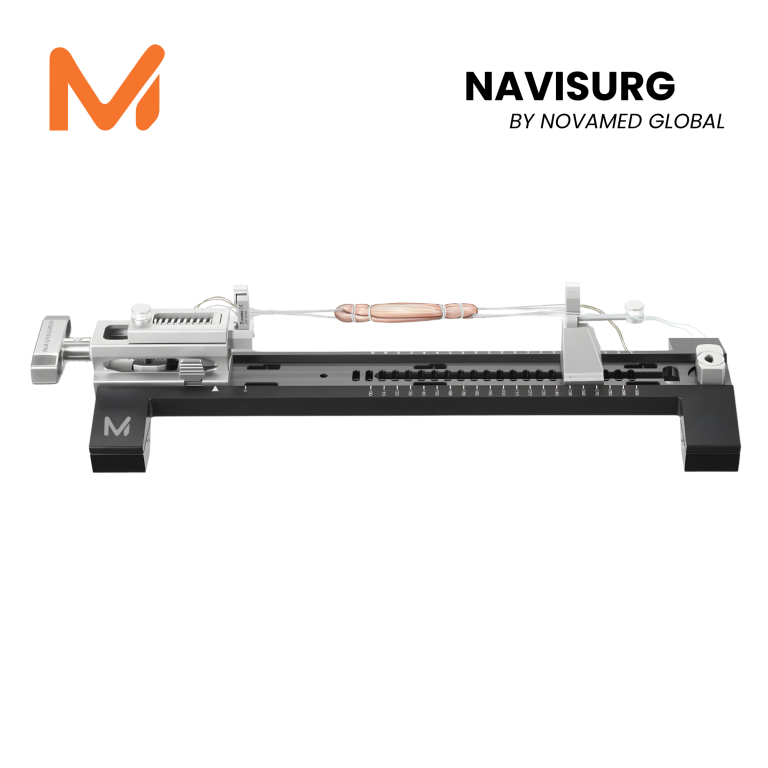
4.2 Vancomycin Graft Presoaking
Soaking the graft in a vancomycin solution (5 mg/mL) prior to implantation has been shown to significantly reduce infection risk. In some reported series, infection rates decreased from 0.56% to 0% after implementation of a standardized vancomycin presoaking protocol.
The recommended soaking time is typically ≥15–20 minutes, based on experimental studies and meta-analyses.
4.3 Other Antibiotics
Gentamicin has also been considered as an alternative; however, pooled data remain limited and do not clearly demonstrate superiority over vancomycin.
4.4 Graft and Skin Preparation
Meticulous graft preparation with minimal contact with the patient’s skin during handling, along with proper skin antisepsis, is essential. Most postoperative infections are believed to result from direct skin contamination.
5. Diagnosis of Infection After ACL Reconstruction
Symptoms typically present 10-25 days postoperatively:
- Fever
- Increasing pain
- Swelling, warmth
- Restricted range of motion
Elevated inflammatory markers (CRP, ESR) are commonly observed.
Joint aspiration with synovial fluid analysis and culture remains the gold standard for pathogen identification and treatment planning.
An elevated synovial white blood cell (WBC) count may help differentiate septic arthritis from sterile postoperative inflammation.
6. Treatment
6.1 Initial Management
Once infection is diagnosed, prompt initiation of IV antibiotics combined with arthroscopic lavage and debridement is the first-line approach.
6.2 Graft Retention vs. Removal
Intraoperatively, graft viability must be assessed:
- If the graft appears intact and viable, graft retention with repeated debridement and appropriate antibiotic therapy may be considered.
- If debridement fails or graft infection is suspected, early graft removal is recommended to protect articular cartilage and preserve joint function.
6.3 Antibiotic Strategy
IV antibiotics are typically administered for 2-4 weeks, followed by oral therapy based on culture results and clinical response.
In immunocompromised patients or prolonged infections, extended antibiotic duration may be necessary.
7. Management of Treatment Failure
If arthroscopic debridement fails to control the infection, open revision surgery with more extensive debridement may be required.
In complex cases, soft tissue reconstruction (e.g., muscle flaps) or additional bone and soft tissue management strategies may be necessary.
8. Conclusion
Although ACL reconstruction is most commonly performed in young and otherwise healthy patients, postoperative infection remains a potentially devastating complication that requires integrated clinical, laboratory, and microbiological assessment.
Vancomycin graft presoaking is currently one of the most effective preventive strategies available.
Early diagnosis, appropriate antibiotic therapy, and timely debridement – with graft removal when indicated – are essential to protect articular cartilage and preserve optimal knee function.
1. Giới thiệu
Mặc dù tái tạo dây chằng chéo trước (ACL) là một trong những phẫu thuật chỉnh hình phổ biến, nhiễm trùng sau phẫu thuật, dù tỷ lệ thấp (~1-2%), vẫn là biến chứng nghiêm trọng có thể làm tổn hại sụn và làm thất bại graft.
2. Tỷ lệ và tác động
Tỷ lệ nhiễm trùng sau ACL reconstruction thường < 1%, có báo cáo lên đến 1.4–2%.
Bệnh nhân mắc nhiễm trùng cần nhiều can thiệp hơn, nguy cơ làm tổn thương sụn khớp và nguy cơ thất bại của graft tăng.
3. Nguyên nhân và yếu tố nguy cơ
3.1 Graft
Nhiễm trùng có thể liên quan đến loại graft sử dụng.
Hamstrings tendon autograft có xu hướng có tỷ lệ nhiễm cao hơn so với các graft khác (BPTB, allograft).
Cơ chế có thể do ô nhiễm trong quá trình thu hoạch và chuẩn bị graft.
3.2 Vi sinh
Staphylococcus aureus và Coagulase-negative Staphylococci là tác nhân chủ yếu của nhiễm trùng sau ACL reconstruction.
Các tác nhân khác như Enterobacter và một số nấm hiếm (Rhizopus, Candida, Aspergillus) cũng đã được báo cáo với diễn biến âm ỉ, khó phát hiện.
4. Dự phòng nhiễm trùng
4.1 Kháng sinh dự phòng
- Kháng sinh tĩnh mạch (IV) trước mổ vẫn là chuẩn standard trong dự phòng.
4.2 Presoaking graft bằng Vancomycin
Soaking graft trong dung dịch vancomycin (5 mg/mL) trước khi cấy vào khớp được chứng minh làm giảm đáng kể nguy cơ nhiễm trùng, thậm chí trong dữ liệu nhóm tác giả, từ 0.56% → 0% sau áp dụng protocolo soaking.
Thời gian ngâm thường ≥ 15–20 phút theo các nghiên cứu thực nghiệm và phân tích tổng hợp.
4.3 Một số thuốc khác
Gentamycin là một lựa chọn khác được xem xét nhưng dữ liệu tổng hợp còn hạn chế và không rõ ưu thế hoàn toàn so với vancomycin.
4.4 Chuẩn bị graft & da
Chuẩn bị graft và giảm tiếp xúc với da bệnh nhân trong quá trình thao tác, cùng vệ sinh da chuẩn, là biện pháp quan trọng, vì phần lớn nhiễm trùng có nguồn gốc từ trực tiếp ô nhiễm da.
5. Chẩn đoán PJI sau ACL reconstruction
Các triệu chứng thường xuất hiện trong khoảng 10-25 ngày sau phẫu thuật:
- Sốt
- Đau tăng dần
- Sưng, nóng tại khớp
- Hạn chế tầm vận động
Các dấu ấn viêm (CRP, ESR) thường tăng.
Chọc hút khớp với phân tích và cấy dịch khớp vẫn là tiêu chuẩn vàng để xác định tác nhân gây bệnh và lập kế hoạch điều trị.
Số lượng bạch cầu (WBC) trong dịch khớp tăng cao có thể giúp phân biệt viêm khớp nhiễm trùng với phản ứng viêm vô trùng sau mổ.
6. Điều trị
6.1 Khởi trị ban đầu
Sau khi chẩn đoán được thiết lập, iv kháng sinh sớm kết hợp arthroscopic lavage và debridement là bước đầu tiên.
6.2 Lựa chọn giữ hay loại bỏ graft
Trong phẫu thuật, bác sĩ đánh giá graft:
- Nếu thấy graft còn lành, có thể giữ graft và debridement nhiều lần kèm kháng sinh.
- Nếu debridement thất bại hoặc graft nghi ngờ nhiễm, loại bỏ graft càng sớm càng tốt để bảo vệ sụn và chức năng khớp.
6.3 Chiến lược antibiotic
IV antibiotics thường 2-4 tuần, sau đó chuyển sang đường uống tùy theo vi sinh đồ và đáp ứng lâm sàng.
Ở bệnh nhân suy giảm miễn dịch hoặc bệnh kéo dài, có thể kéo dài thời gian kháng sinh lâu hơn.
7. Quản lý thất bại điều trị
- Nếu debridement nội soi không kiểm soát được nhiễm trùng, phẫu thuật mở (open revision) và cắt lọc sâu hơn có thể cần thiết.
- Trong một số trường hợp phức tạp, ghép mô (ví dụ flap cơ) hoặc quản lý phần mềm/xương cũng được cân nhắc.
8. Kết luận
Mặc dù teo tái tạo ACL xảy ra chủ yếu ở bệnh nhân trẻ và khỏe, nhiễm trùng sau phẫu thuật là biến chứng khó lường và yêu cầu đánh giá liền mạch lâm sàng – labo – kiểm soát vi sinh.
- Vancomycin presoaking graft là một trong những biện pháp dự phòng hiệu quả nhất hiện nay.
- Điều trị sớm, phối hợp kháng sinh phù hợp và debridement/loại bỏ graft khi cần thiết giúp bảo vệ sụn khớp và duy trì chức năng gối tốt nhất.